
What A Garden Redesign And Build Costs In St Albans In 2026
Superior Garden Design St Albans
The first thing almost every enquiry wants to know is the number, and the honest answer begins by splitting the number in two. There is a design fee, which buys drawings, and there is a build budget, which buys a garden. Around St Albans those two figures normally sit in a ratio of roughly one to eight: a fee of eight to fifteen per cent against a build that commonly lands anywhere between £25,000 and £90,000. That spread is not evasion. It is the honest distance between a flat 60 square metre courtyard behind a Fleetville terrace and a 400 square metre plot out towards Wheathampstead with a metre and a half of fall running across it. Below is where the money actually goes in a Hertfordshire garden build priced in 2026. Ranges, not invented precision, and the things that tip a job out of one band and into the next.
Two purchases, not one, and why they are quoted apart
A design fee pays for a defined set of deliverables: a measured survey, a layout, levels, materials, a planting plan, enough detail for two contractors to price the same garden. It can be quoted accurately at the first meeting because the designer knows how many hours it takes. A build budget cannot be, because at that point nobody has put a spade in the ground. Until the levels are surveyed and the existing surfaces are opened up, the excavation volume, the retaining, the drainage and the muck-away are all estimates. Quoting them as one figure on day one means either padding the number heavily or being wrong later, and being wrong later is how projects end in an argument. Our own garden design and build costs page sets out how we handle the two stages; the fee side in more detail, including the four different ways designers charge, is covered in our piece on what a garden design costs in St Albans.
The practical benefit of the split is that you can buy the design without committing to the build. Several clients each year take a full set of drawings, sit on them for a year while other things happen in the house, and build later. That is an entirely sensible use of a few thousand pounds, and it is only possible because the two purchases are separable. If you are comparing designers, the Society of Garden Designers register is a reasonable starting filter, though it is a register rather than a ranking and plenty of capable local designers are not on it.
Three St Albans gardens, three very different totals
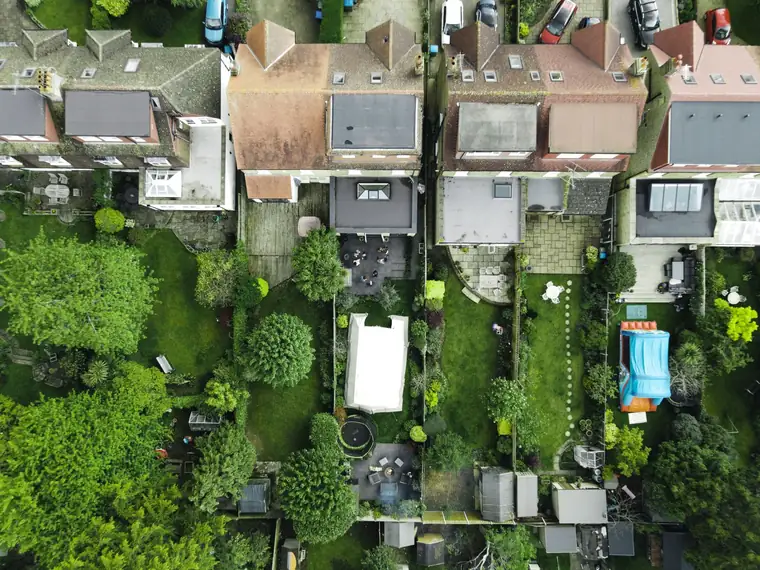
A small city garden, meaning the 40 to 70 square metres behind a terrace near the centre or off Camp Road, tends to run £14,000 to £28,000 to build properly. That buys a full-width terrace in good stone, rebuilt boundaries, a couple of raised beds, lighting, and planting that actually fills out. It sounds steep for a garden you can cross in ten paces, and the reason is that the fixed costs of a build - skips, plant hire, setting out, access protection, a team turning up for three weeks - barely shrink with the plot.
A typical semi or 1930s detached, with 100 to 180 square metres behind it, usually sits between £32,000 and £65,000. That is the band most of our St Albans work falls into. A larger plot, the 300 square metres and upwards you find towards Harpenden, Wheathampstead and the edges of Marshalswick, starts around £70,000 and runs past £150,000 without anything extravagant in it, because the surface area of everything grows at once: more paving, more wall, more lawn, more planting, more water to move. What shifts a garden up a band is rarely taste. It is almost always ground, access or levels, in that order.
Those bands cover groundworks, hard landscaping, boundaries, planting, lighting and irrigation. They do not cover garden buildings, which is the exclusion that catches people out most often, because a garden room is a building with its own base, insulation, power and frequently its own planning question, at £15,000 to £40,000 on top. Nor do they include the design fee, a topographical survey on a sloping plot, structural design for retaining over a metre, or an arboricultural report where a protected tree is in play. Ask anyone quoting you which of those sit inside the number. Two prices that look £8,000 apart are often the same price with the line drawn in a different place.
Hard landscaping area sets the total more than material choice does
Useful 2026 rates for Hertfordshire, supplied and laid on a correctly built sub-base: Indian sandstone paving £150 to £220 per square metre, porcelain £200 to £300, sawn natural stone such as Yorkstone £280 to £400, block paving £120 to £180. Softwood decking runs £120 to £180 per square metre, composite £200 to £300, hardwood £250 to £400. Close-board fencing with concrete posts is £110 to £170 per linear metre installed. A facing brick garden wall, one metre high, with a proper footing, is £450 to £700 per linear metre. Turf is £14 to £22 per square metre onto ground that is already right, and £30 to £45 if topsoil has to be imported and cultivated first.
What surprises people is how little of that is the slab on top. On a paved terrace the stone itself is often a third of the figure. The rest is excavation, spoil removal, a 150mm compacted sub-base, a laying course, cutting, pointing and getting the falls right so water leaves the house rather than sitting against it. Swapping sandstone for porcelain on a 40 square metre terrace changes the total by perhaps £2,500. Halving the paved area changes it by £6,000 or more. So if the budget is tight, shrink the hard surface before you downgrade it. A small terrace in good stone ages well. A sprawling one in cheap concrete looks tired in four winters.
Access is the multiplier almost nobody allows for
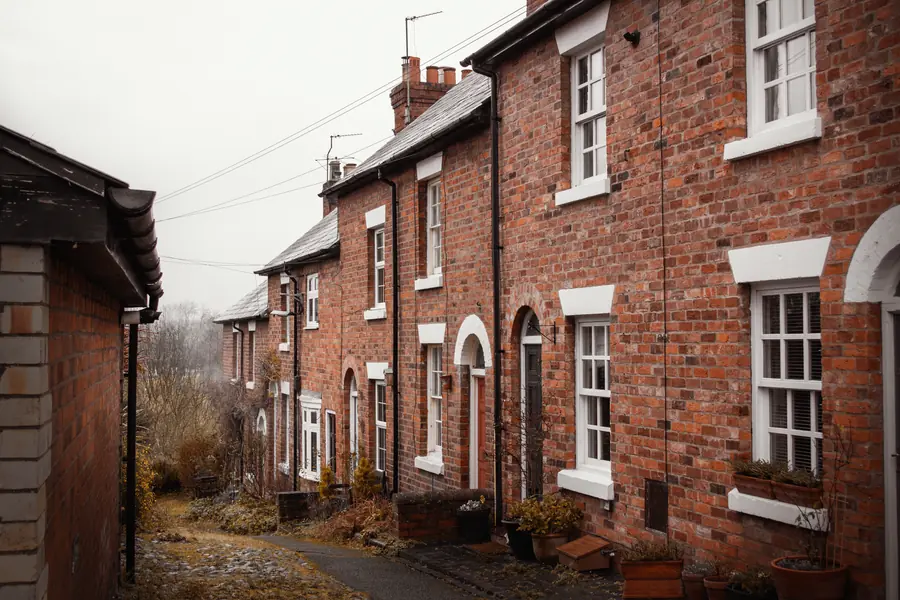
This is the single biggest reason two apparently similar gardens come back at different prices. Behind the Victorian terraces off Hatfield Road, through Fleetville and in the older streets around Camp, a great many plots have no side gate at all. Every tonne of hardcore, every pallet of stone and every barrow of spoil then goes through the hallway on boards, or over a neighbour’s extension roof on a crane. A machine that would do a day’s digging cannot get in, so two people do it by hand for four days. That is the whole difference. As a rough rule we add fifteen to thirty per cent to the labour element where there is no side access, and more where the only route in is a shared rear lane a grab lorry cannot turn into.
The incidentals mount up too. A skip on the carriageway needs a licence from Hertfordshire County Council as highways authority, currently £54 for a fourteen day licence and £28 for every week after, with £10m of public liability cover from the skip operator and about three weeks to process the application. That last part is the one that bites, because it has to happen before the start date rather than during week one. A half day of crane hire to lift materials over a house is £600 to £1,200 once you have paid for the lift plan and the traffic management. In the conservation areas covering the city centre, Fishpool Street and St Michael’s, there is a further constraint: parking and loading windows are short, and on listed properties the materials you can put against the house are limited as well, which occasionally rules out the cheapest option before any of this starts.
There is a consent layer sitting on top of all that in parts of the district. St Albans City and District Council has designated nineteen conservation areas, and has placed Article 4 Directions over the parts of them most vulnerable to changes that would otherwise need no permission at all. For a garden that mostly bites at the front: boundary walls, railings, gates and hard surfacing facing the street can need consent that the same work in a back garden would not. Where a wall falls within the curtilage of a listed building, rebuilding it in lime mortar to match prices at roughly double a modern facing-brick equivalent, because it is specialist work done slowly. Establish which side of that line you are on before you fall in love with a material - the council publishes a character statement for each of its conservation areas along with a constraints map that will answer it in a minute.
Levels, retaining, and the clay-over-chalk underneath
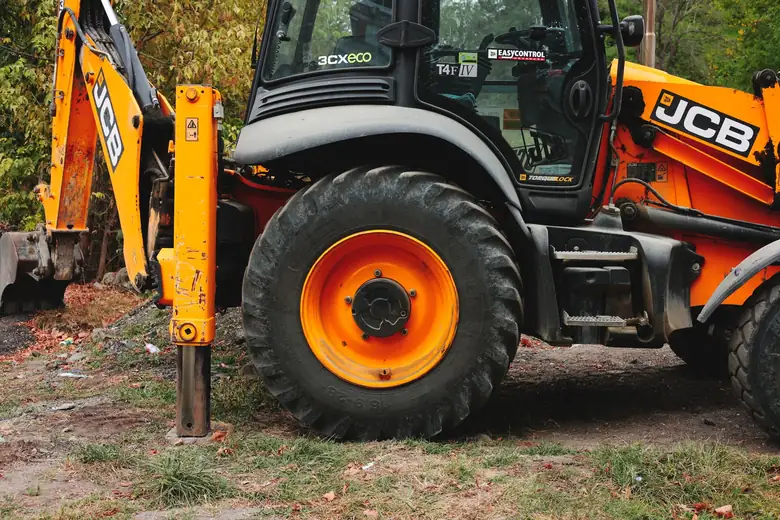
A garden that falls more than about 600mm from the house to the boundary stops being a layout problem and becomes a structural one. Holding back a metre of ground costs £600 to £900 per linear metre once you have paid for the excavation, the footing, the drainage behind the wall and the free-draining backfill. Steps are £350 to £600 each in stone. Taking earth off site is £280 to £420 for a grab load, and a modest terracing job generates four or five. On a genuinely sloping plot, retaining and level change frequently account for a quarter to two fifths of the entire build before anyone has chosen a slab. Anything over a metre of retained height should be designed rather than guessed, and where it supports a structure or a boundary the relevant Building Regulations approved documents apply.
Most of St Albans sits on clay-with-flints, with chalk beneath and exposed where the Ver has cut through. Clay is the expensive half of that. It holds water, so soakaways often fail their percolation test and drainage has to be piped somewhere it will actually go. It shrinks and swells with the seasons, so footings go deeper than people expect near mature trees. And it comes out of the ground heavy and sticky, which slows every barrow run. Chalk ground behaves almost the opposite way and generally costs less to build on, but it is thin and needs importing topsoil for borders. Which one you have is worth establishing early, and our guide to whether you are on clay or chalk in St Albans explains how to tell.
Planting costs more than people expect and less than it looks
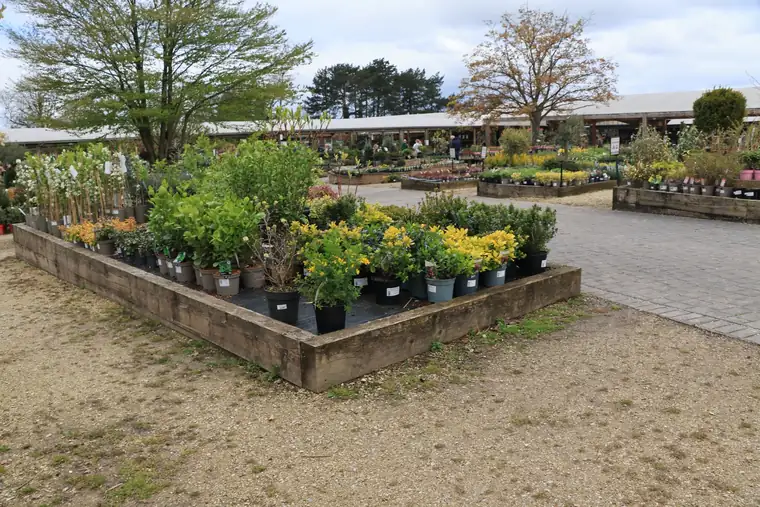
The figure people carry in their head for planting a redesigned garden is usually around £1,500. On a semi’s garden with 40 square metres of border, the real number is closer to £5,000 to £8,000. Planted at five to seven plants per square metre, a designed border runs £60 to £120 per square metre supplied and planted, and that is before trees. A decent multi-stem birch or amelanchier at a size that reads immediately is £450 to £1,200 planted. Pleached hornbeam for screening a neighbour’s window is £400 to £900 a tree, and you rarely want just one. Imported topsoil is £45 to £70 a cubic metre delivered, and a 40 square metre border 300mm deep swallows twelve of them.
Set against the whole build, planting usually lands at ten to twenty per cent. That is the second surprise: the part that makes the garden look like a garden is a small share of the bill. It is also the only element that improves on its own. Paving is as good on day one as it will ever be. A border planted in autumn, into clay that has been properly broken up and mulched, is unrecognisable by its third summer. So if something has to come out of the budget, take it out of the hard landscaping and leave the plants alone.
The cost almost nobody quotes for is the first two years. A new border on St Albans clay needs watering through its first two summers or a fair share of it dies, and replacing a third of a £6,000 border is £2,000 you had not planned on. Either put an automatic irrigation line in while the trenches are already open, at £900 to £1,800 on a typical semi’s garden and a fraction of what retrofitting costs, or accept that somebody is standing there with a hose through August. The RHS guidance on watering and establishing new plants sets out how much water a newly planted shrub actually wants, which is invariably more than people assume.
Where to spend, where to hold back, and what phasing does
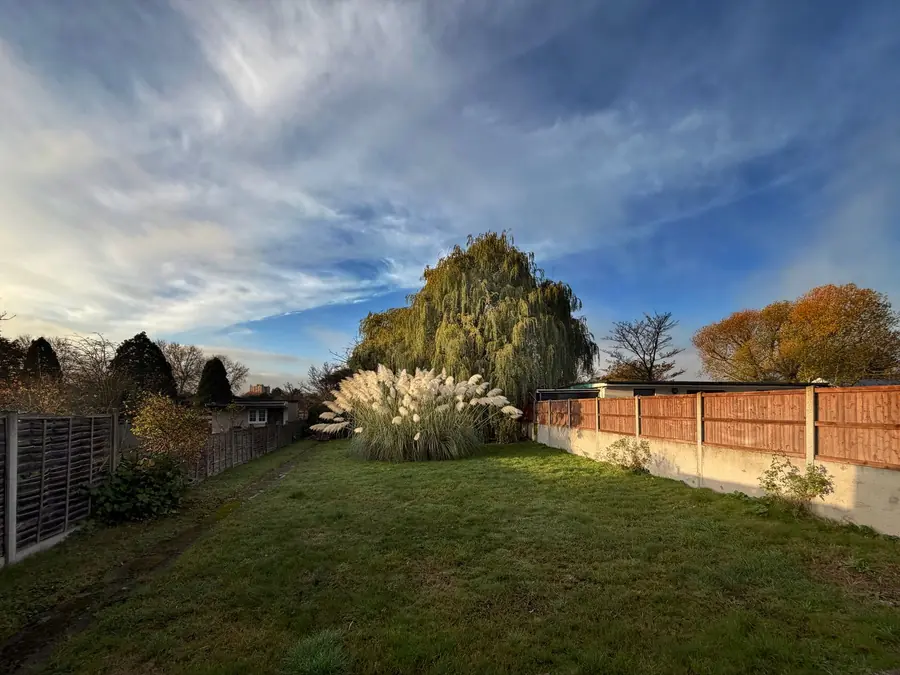
Put the money into what is buried or structural, because those are the only parts you cannot revisit without demolition: sub-base depth, drainage, retaining, and the electrical and irrigation ducting running under everything else. Boundaries belong in the same category, since rebuilding a wall two years later means carting materials back across a finished lawn. Trees too, which are far cheaper planted now than craned in over a completed terrace. What can wait is furniture, ornament, an outdoor kitchen and the extravagant end of the stone range. None of those get harder or dearer to add later, and a fair few of them are things people change their minds about once they have lived with the space through a winter.
Phasing follows the same logic and carries a premium. Splitting a build across two or three years typically adds ten to fifteen per cent to the total in repeat mobilisation, access protection and price drift on materials, and it only works at all if the order of works is right - which is the subject of our piece on phasing a garden build in St Albans. When you do go out for build prices, give every contractor the same drawings and the same specification rather than a description, and check they hold proper cover; the Association of Professional Landscapers vets its members, which is worth a look alongside references from jobs you can go and stand in.
Common questions
Why will a designer quote a fee before anyone knows what the build will cost?
Because the two are priced from different information. The fee is a known quantity of drawing and site time, so it can be fixed at the outset. The build cannot be priced properly until the levels are surveyed, the ground has been looked at and a specification exists. Most designers here work to a target build budget you set at the brief stage and design within it, which is the sensible way round: the budget shapes the drawing rather than the drawing producing a bill you did not expect.
Is a cost per square metre figure for a whole garden any use?
As a sanity check, loosely. Across St Albans projects the all-in figure tends to land somewhere between £200 and £450 per square metre of plot, and anything quoted well under that is usually missing the groundworks. As a way of predicting your own garden it is close to useless, because the variables that matter - how much of the plot is paved, how far it falls, whether a machine can get in - are exactly the ones a per-square-metre average flattens out.
Does the build cost include VAT?
For domestic garden work, assume yes and check. Landscaping on an existing home is standard-rated, so a VAT-registered contractor’s price should be quoted inclusive and stated as such. The exception people sometimes hear about applies to landscaping forming part of a new dwelling under a specific set of conditions, which almost never covers a redesign of an existing garden. A quote that is silent on VAT is worth a phone call before you compare it with anything else.