
Phasing A Garden Build In St Albans: What To Do First
Superior Garden Design St Albans
Hardly anyone builds the garden on the drawing all in one go. A full design and build around St Albans commonly lands between £25,000 and £90,000 depending on plot size, access and how much earth the levels need moving, and plenty of households can find a third of that this year and not the rest. That is a normal position to be in, and it is also where the most expensive mistakes happen, because a garden built in pieces only works if the pieces go in the right order. The order is set by what has to be buried, not by what you most want to sit on. Get it right and splitting the work across two or three years costs you very little. Get it wrong and you add ten to fifteen per cent to the total, then spend a Saturday in year three watching someone lift paving you paid for in year one. So here is how to break a St Albans garden into stages without buying anything twice.
Draw the whole garden even if you only build a third of it
The strongest argument for a full design is that phase one cannot be designed on its own. The finished level of a terrace depends on where the steps go, and where the steps go depends on whether there is a garden room at the bottom of the plot in four years’ time. Decide the terrace level in isolation and you have a fifty per cent chance of being 150mm out, which is a step you did not want in a place you did not choose. Our garden design process produces the whole layout first for exactly this reason, then marks the phase boundaries on it afterwards.
What that marked-up plan has to show is dull, and you should insist on all of it: where every buried service runs, which levels are fixed and which are still free to move, and what the interface looks like at the edge of each phase - the point where finished work meets ground you have not touched yet. That edge is the part contractors get wrong. A terrace that stops in mid air because nobody decided what it would eventually meet is a phase boundary that was never drawn.
The design fee is the same whether you build in one go or four, which annoys people until they price the alternative. A drawing is a few per cent of the total; a wrong level is a rebuild. We have covered what a garden design costs in St Albans separately, including where the money goes at each stage, so read it alongside this one if you are still collecting quotes.
The order of works you cannot rearrange
Garden construction is layered, and each layer sits on the one below. Reversing any two of them means breaking finished work to get at what should have gone in first. The sequence, in the order it has to happen:
- Drainage and levels - where water goes, how much soil moves, retaining structures, soakaways.
- Services and ducting - power, water, lighting circuits, anything that has to run under a future surface.
- Hard landscaping - terraces, paths, steps, walls, edges, bases for buildings.
- Planting - trees and structural shrubs first, then hedging, then borders.
- Soft finishes - furniture, lighting fittings, pots, water features, screens.
You can split a phase - build half the terrace this year and half next - but you cannot step backwards. Once a 25 square metre sandstone terrace is down, getting a drain under it costs roughly £900 to £1,600 in lifting, relaying and replacement stone, against about £200 to have laid the pipe when the sub-base was open.
The one place the rule bends is trees. A large specimen tree is easier to place before the hard landscaping boxes it in, and it gains a year of establishment every year it goes in early. If a tree is in the design at all, get it planted in phase one even when its border does not exist yet. Grass around it and come back later.
Bury the ducting in phase one, whatever else you skip

This is the single highest-return decision in a phased build and almost nobody asks about it. Twinwall duct costs somewhere around £2 to £3 a metre. A draw cord costs pennies. If the trench is already open for drainage, a 30 metre run of duct from the house to the far end of the garden is a materials cost under £100 and maybe two hours of someone’s time. Cap the ends, mark them on the plan, photograph them before backfilling. That is the whole job.
Retrofitting the same run later is a different job entirely. You are hand-digging through planted borders or lifting paving, reinstating what you damage, and paying for a day’s labour rather than an hour. Typical cost for a retrofitted armoured cable to a garden room, through a finished garden: £800 to £1,800, and more if anything crosses hard landscaping. A drip irrigation supply retrofitted into planted borders runs £1,200 to £2,500 against roughly £300 for the pipe laid during groundworks.
Duct more than you think you need. Lighting circuits, a supply for a future garden building, an irrigation line, and a spare empty duct for whatever does not exist yet. Four ducts instead of one adds maybe £150 to phase one. Every electrical connection still needs to be made up by a qualified electrician under Part P when the time comes, but the expensive part - the hole in the ground - is already paid for.
What stopping and restarting actually costs

Phasing is not free, and honest contractors will tell you so in the quote. Every new phase pays again for setting up: protection boards through the house or side return, fencing off the working area, a welfare arrangement, plant deliveries. Mini digger hire with a driver runs about £250 to £350 a day in Hertfordshire, and delivery and collection are charged each way whether the machine is on site for two days or twelve. An 8-yard builders skip in the St Albans area is roughly £280 to £380 including the permit if it has to stand on the road, and a phased build usually needs two or three where a single build would need three or four total.
Add it up and a two-phase build typically costs six to ten per cent more than the same work done continuously. Three phases pushes that towards fifteen per cent. There is also material inflation between phases, which has been a real cost rather than a theoretical one lately: stone, aggregate and timber prices have moved enough in recent years that a three-year gap can add another five per cent to phase three on its own.
None of that makes phasing wrong. Six to ten per cent on £40,000 is about £3,000, which is a great deal cheaper than borrowing the missing £25,000 or building a compromised garden you dislike. It just means the phased quote should say so plainly rather than pretending the split is free, and it means two phases beat four.
St Albans ground decides how much phase one has to carry
Two things about this city change the phasing maths more than anywhere else we work. The first is the ground. Most of St Albans sits on clay-with-flints, which holds water for weeks and shrinks in a dry August, so retaining structures and paved bases need proper foundations and proper drainage rather than a hopeful bed of sand. Where the Ver has cut through to the chalk - the Sopwell and Verulamium side - you get the opposite problem: free-draining ground, thin topsoil, and a soakaway that works beautifully until you hit solid chalk with a mini digger and start pricing a breaker. Both conditions mean the groundwork in phase one is a bigger share of the total here than the national average, often 35 to 45 per cent of the whole build.
The second is what is underneath. St Albans has an unusual amount of protected archaeology, and the council recognises three categories of it: scheduled monuments, sites for local preservation, and sites where recording conditions apply. St Albans City & District Council’s archaeology guidance explains how to check your address on the district mapping service, and ten minutes there beats a stopped dig. Most garden work is permitted development and never touches this, but if your plot is inside a designated area and any part of the scheme does need permission, you may be asked for a heritage statement - and that is a phase-one problem, not a phase-three surprise. The same goes for the district’s 19 conservation areas, where Article 4 directions in some streets remove permitted development rights that everyone assumes they have.
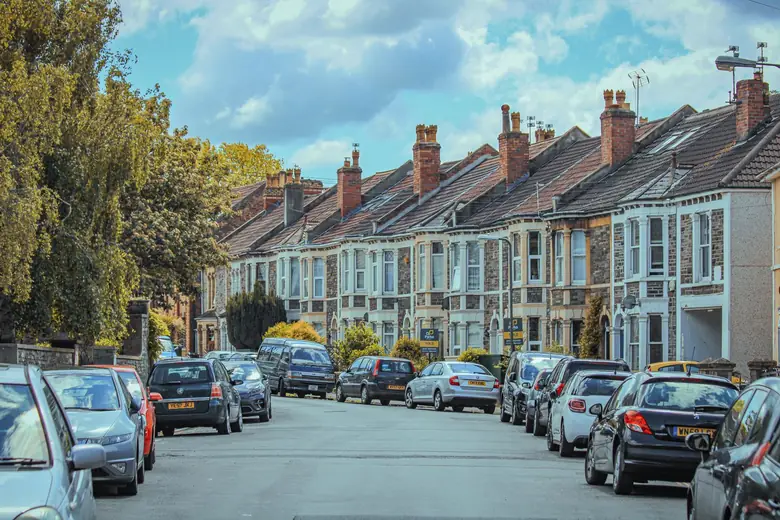
Plot shape matters too. The long narrow gardens behind the Victorian and Edwardian terraces around Camp and St Peters have one access route, usually 800mm wide through a side return, which means everything arrives by barrow and phase one has to include the bits that are hardest to reach later. The wider interwar semis out towards Jersey Farm often have side access a digger can use, and that flexibility is worth real money - it is the difference between splitting a build sensibly and being forced into one expensive hit.
Planting phases follow the seasons, not the bank balance

You can lay paving in February and you can lay paving in July. Planting does not offer the same freedom, and a phase that finishes in June often means waiting until October rather than planting into a dry Hertfordshire summer. This corner of England is one of the drier parts of the country, sitting near 600mm of rain a year against a UK figure closer to double that, and the ground here can be unplantable by mid-June in a bad year.
The window that saves money is November to March. Bare root trees, hedging and roses are lifted dormant and cost a fraction of the containerised equivalent - beech whips at 60 to 90cm run £1.50 to £3 each against £25 to £45 for a 1.5 metre pot-grown plant, so a 15 metre hedge can be £120 of material instead of £900. The RHS guidance on planting trees and shrubs sets out how far that dormant window extends and how to handle stock that arrives before the ground is ready. If a phase is going to include hedging or trees, aim its completion at autumn and you will genuinely spend less.
Establishment watering is the other seasonal constraint, and it is a local one. St Albans is supplied by Affinity Water in a region the government classes as seriously water stressed, and temporary use bans are now a recurring summer feature rather than a rarity. New planting needs roughly 20 to 30 litres per plant per week through its first summer, and a hosepipe restriction mid-establishment is a genuine risk to a spring-planted border - Affinity Water’s temporary use ban information sets out what is and is not permitted when one is in force. Our piece on designing a St Albans garden for dry summers goes further into the planting side of that.
How to make each phase look finished rather than abandoned
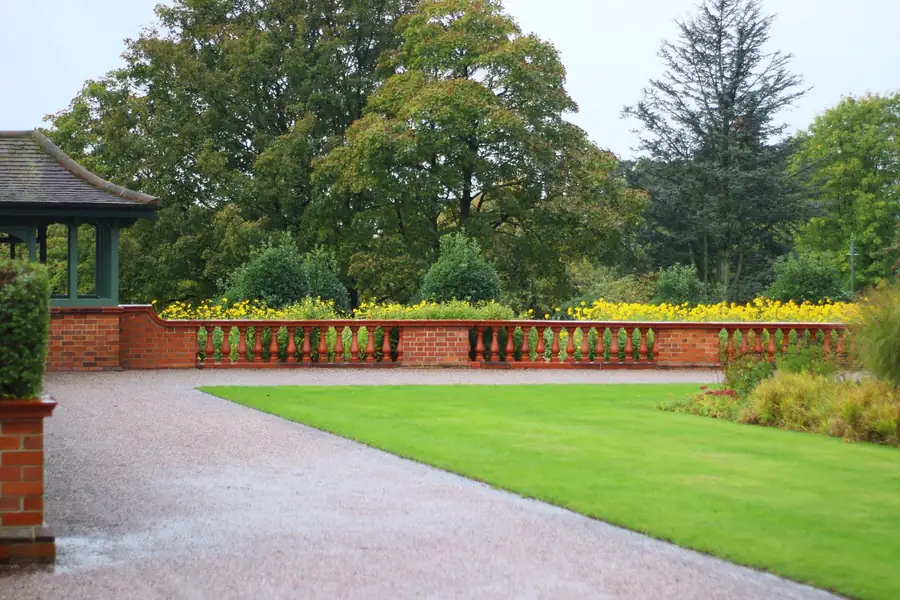
A phase boundary should read as a decision, not as the place the money ran out. The trick is cheap temporary treatment of the ground you are not building on yet. Turf is about £6 to £9 a square metre laid and it makes 40 square metres of future project look like lawn for two years. Bark mulch over a weed membrane costs less again and reads as a border waiting for its planting. You lose the money when the next phase lifts them, which is the point. Set against two years of looking at the garden every morning, it is not much money to lose.
Edges do the rest of the work. A phase that ends in a proper edge - a steel or timber line, a hedge, a change of surface - looks intentional. A phase that ends in a ragged join between new paving and churned clay looks unfinished no matter how good the paving is. Budget £30 to £60 a linear metre for a temporary edge you will later remove; it is the cheapest thing on the list and it does more for your view from the kitchen than anything else.
Then there is storage. If you have bought stone for a later phase to lock in the price, which is sometimes sensible, store it properly: off the ground on bearers, covered but ventilated, away from anything that will stain it. Natural stone left stacked on soil for a year picks up moisture and staining, and sandstone in particular can come out of storage a noticeably different colour to the sample you chose. Timber needs to be stickered and kept dry or it will twist. A pallet of paving that has to be rejected is a worse loss than the price rise you were avoiding.
Two worked examples, with the numbers
A two-phase Victorian terrace garden, around £36,000
A 6 by 25 metre plot, side-return access only, clay ground that sits wet at the bottom. Phase one takes the whole of the drainage and levels, a 20 square metre sandstone terrace by the house, the retaining wall that makes the lower half usable, all ducting to the end of the garden, the structural trees, and turf over everything else: roughly £24,000. Phase two, two years later, is the far-end seating area on its already-prepared base, the borders, the hedging and the lighting fittings onto cables that are already there: roughly £12,000. The temporary lawn gets lifted, the trees have had two years of growth, and nothing built in phase one is disturbed.
A three-phase 1930s semi, around £54,000
A wider plot with side access, so the digger gets in and groundwork is cheaper per square metre. Phase one is drainage, levels, ducting, the terrace and steps: about £26,000. Phase two, the following autumn, is the lawn, the hedging and the main borders: about £13,000. Phase three, two years on, is the garden room base and building, the pergola and the lighting: about £15,000. The base for the garden room was set out and its ducting laid in phase one, which is why phase three is a building job rather than an excavation job.
Both examples carry the phasing premium already - around £2,500 on the first and £6,000 on the second, against building each continuously. Both assume the design was drawn in full at the start. The second one is only three phases because the access allowed it; on the terrace plot, splitting into three would have cost more than the third phase was worth.
Common questions
How long can we leave a gap between phases?
Two to three years is comfortable. Beyond about five, two things start to work against you: material prices and availability drift enough that matching the stone from phase one gets difficult, and any temporary treatment you laid will be tired. If you know the gap will be long, buy and store the matching stone for the later phase at the start, and store it properly off the ground and covered.
Should we use the same contractor for every phase?
Where you can, yes, and ask about it at the quoting stage. The firm that dug the trenches knows where the ducts are, what the ground did and where the drainage runs, which saves real money on phase two. If they are not available, the protection is documentation: as-built drawings, photographs of every trench before backfilling, and the levels recorded. Insist on those anyway, because you cannot rely on either party’s memory three years later.
Can we build the far end of the garden before the bit near the house?
Usually not, and this is the request we turn down most often. Every load of material for the far end travels across the ground between it and the house, so finishing the far end first means either damaging it or barrowing the long way round at extra cost. Drainage also generally runs from the house outwards. Work outwards from the building unless there is a specific reason not to, such as a boundary wall that has to be rebuilt before anything else is safe.