
Design And Build Or A Separate Landscaper In St Albans?
Superior Garden Design St Albans
Most people decide what they want in the garden long before they decide who is going to deliver it, and that second decision quietly does more damage when it goes wrong. There are two ways to buy a garden. You hire one firm to design it and build it, or you hire a designer to draw it and a landscaping contractor to construct it. Around St Albans both routes are well represented, both produce beautiful gardens, and neither is automatically the safer bet. What actually changes between them is where the risk sits when a wall is a hundred millimetres out, a stone delivery lands three weeks late, or the levels on the drawing turn out to need another two tonnes of spoil taken away. That is worth understanding before you sign anything, because you cannot switch routes halfway without paying for it twice.
Two routes, and the difference is really about risk

Under a design and build contract, one company holds the drawing and the trowel. You have a single point of contact, one programme, one invoice sequence, and one party who cannot blame anybody else if the finished garden does not match the plan. Our own design process runs this way, and the honest reason is that it removes an argument we used to spend a lot of time refereeing.
Hiring separately splits those responsibilities on purpose. The designer works for you and only for you, produces the drawing package, then tenders it to contractors and oversees the build on your behalf. It costs more in fees and it puts a professional with no stake in the build budget between you and the person spending it. In the right project, that independence is worth every pound.
Where hiring separately genuinely wins
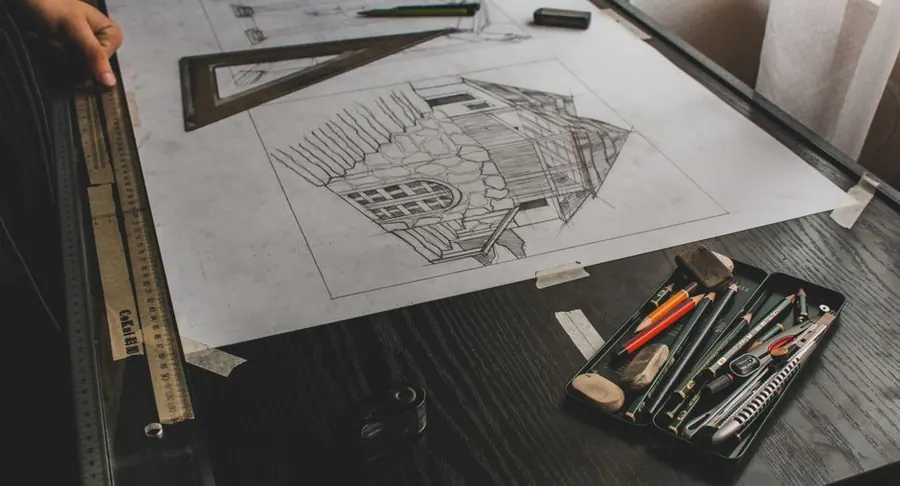
Three situations tip the balance towards a separate designer. The first is a big, complicated build - retaining structures, a swimming pool, a garden building with foundations and services, anything where the construction risk is genuinely engineering rather than gardening. On those jobs an independent eye who signs off each stage before it is paid for earns their fee several times over.
The second is a listed building or a sensitive conservation area setting, both of which St Albans has in quantity. A designer whose only job is the design can spend the time on heritage detail and pre-application conversations that a build-focused firm will always be tempted to compress.
The third is simpler: you already have a contractor you trust. Plenty of families in Harpenden and Radlett have used the same builder for twenty years. Bringing a designer to that relationship rather than replacing it is sensible, and any designer who sniffs at the idea is telling you something about their motives.
Where design and build wins

The single biggest advantage is that the design gets priced by the people who have to build it, while it is still being drawn. Design decisions in a garden are mostly cost decisions in disguise: the difference between a 400mm step and two 200mm steps, or between one stone and another, can swing a budget by thousands. When the designer is sitting a desk away from the person who orders the stone, that conversation happens in week two rather than at tender.
It also protects the programme. A drawn scheme that goes out to tender in April is typically being built in August, and gardens are weather businesses. Single-firm projects can start groundwork while the planting plan is still being finalised, because the same team controls both.
And when something is wrong, there is nobody to point at. If a terrace ponds water, the firm that specified the falls and the firm that laid them are the same firm. That is worth more than most people credit until they have lived through the alternative.
The part nobody prices: who defends the drawing on site

Every garden gets redesigned a bit during construction. The ground is never quite what the survey suggested, a root plate turns up where the wall was going, someone changes their mind about the gate. That is normal. The question that matters is who makes those calls.
On a well-run separate contract, the designer holds site meetings, issues written instructions and checks the work against the drawings before each valuation is paid. That is a real service with a real fee, usually charged either as a percentage of build cost or as day rates, and it is the part homeowners most often try to economise on. Cutting it produces the worst of both worlds: you have paid designer fees for a scheme that then gets improvised by whoever is on site on a wet Tuesday.
Ask any prospective designer, bluntly, how many site visits are included and what happens on them. A vague answer here is a much better predictor of trouble than anything in the portfolio, which is the same reason we put drawings first in our guide to choosing a garden designer in St Albans.
What each route costs around St Albans
Design fees for a full residential garden here generally run somewhere between eight and fifteen per cent of the build cost, with the range reflecting complexity rather than ambition. Separate appointments usually land at the upper end plus a site supervision fee on top, because the designer is carrying more hours and more liability. Design and build folds the two together and tends to look cheaper on the fee line while making the build price harder to benchmark, which is the trade you are actually making.
On a £60,000 garden the fee difference between the routes is rarely more than a few thousand pounds. A specification argument resolved badly on that same garden, or three weeks lost between tender and start, costs considerably more than that. Judge the routes on the total, not the fee percentage, and remember that the cheapest tender return is often just the contractor who has read the drawings least carefully.
Questions that reveal which route a firm actually offers

Plenty of firms describe themselves as design-led without employing a designer, and plenty of designers describe a build service that is really a subcontractor they met last year. Four questions separate them quickly.
Who draws the construction details, and can I see a set? Who employs the people who will be in my garden, and are they employed or subcontracted? If the build overruns, who pays for the extra weeks? And which trade body are you registered with - the Society of Garden Designers assesses design competence through submitted work, while the British Association of Landscape Industries audits contracting standards, and the two memberships mean genuinely different things.
For anyone who wants a further layer of protection on the contracting side, TrustMark registration adds a government-endorsed complaints route and checks on financial standing. It is not a substitute for reading the contract, but it is a reasonable filter when you are down to two names.
Of the enquiries that reach us already carrying drawings from another designer, a fair proportion are missing construction details entirely - a plan view, a plant list and nothing that tells a builder how anything is actually made. That gap is where both routes fail, and it is the first thing worth checking whichever way you go.
Common questions
Can we start with a design and decide about the build later?
Yes, and it is a perfectly reasonable way to buy. Commission the design as a standalone piece of work, take ownership of the drawings, then decide whether to tender them or ask the designer’s own team to price the build. Just confirm in writing at the outset that the drawings are yours to use with any contractor, because not every design agreement says so.
Is a design and build price harder to compare than tendered quotes?
It is, and that is the honest weakness of the route. A tender puts three contractors on the same drawing, so the numbers mean the same thing. A design and build price is one number for one scheme. The fix is to ask for the quote broken down by element - groundwork, hard landscaping, structures, planting, irrigation - so you can see where the money sits rather than judging a single total.
Which route suits a garden we plan to renovate rather than rebuild?
Renovation projects usually favour a single firm, because the scope changes as work uncovers what is underneath and a tendered fixed price cannot easily absorb that. If you are still weighing up which of those two jobs you have, our piece on renovation or a full redesign works through the diagnosis first.