
How To Choose A Garden Designer In St Albans
Superior Garden Design St Albans
Hiring a garden designer is an odd purchase. You are committing tens of thousands of pounds - in St Albans, where full design-and-build projects commonly run £25,000 to £90,000 - to something that does not exist yet, on the strength of photographs of other people’s gardens and an hour of conversation. And unlike a kitchen, a garden cannot be returned, and its faults take three winters to fully reveal themselves. Around one of the most expensive cities in the country outside London, plenty of firms are competing for that commitment. Some are designers who build, some are landscapers who sketch, and a few are neither pretending to be both. The good news is that the differences show up quickly once you know where to look. These are the checks we would run on anyone - ourselves included - before signing a design agreement.
Start with the drawings, because everything else is talk
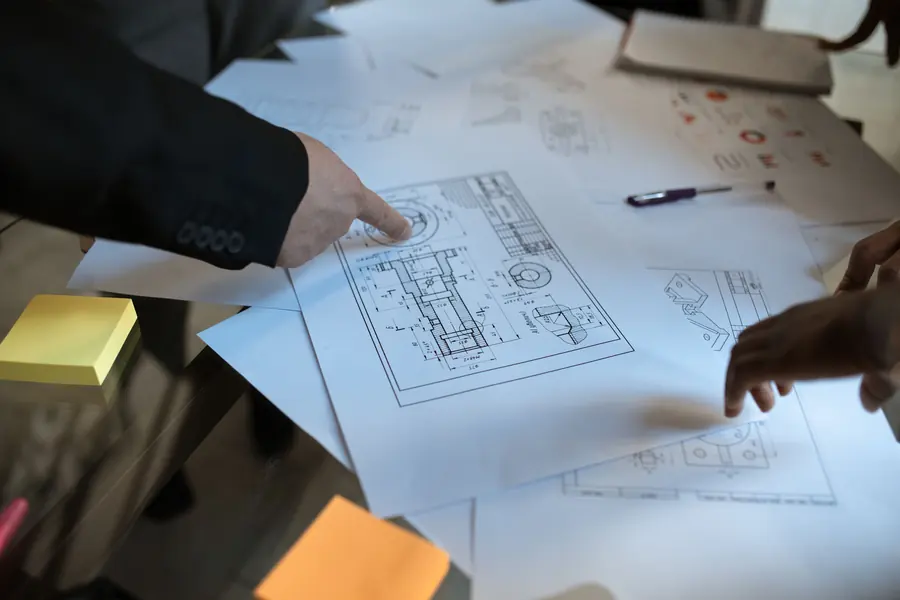
Ask any prospective designer to show you a full drawing set from a completed project. Not the mood board and not the pretty 3D render - the working drawings: a scaled masterplan, construction details for walls and steps, a setting-out plan, and a planting plan with species and quantities on it.
This one request does most of your filtering. A garden that exists only as a render gets redesigned on the fly by whoever builds it, and every one of those improvised decisions is invisible to you until it fails. A garden that exists as a drawing set can be priced honestly, built accurately and checked afterwards, line by line.
If you are comparing a designer against a design-led landscaping firm, ask both the same question. The answer tells you who will actually be making the decisions in your garden - the person you hired, or the person holding the shovel.
Test their local knowledge with one question about soil
St Albans sits on a geological boundary that decides what thrives here. Most of the city and the plateau towns around it carry clay-with-flints - heavy, flinty, slightly acid, wet until April - over Chiltern chalk that breaks through in the river valleys, where the soil flips to thin, alkaline and parched by July. Two gardens a mile apart can need opposite planting plans, and the RHS guide to soil types is blunt about how much this matters.
So ask your candidate: what soil do you think this garden is on, and how will you check? The answer you want involves digging - test pits, a pH kit, a look at what already grows well on the street. The answer you do not want is a planting style pitched before anyone has touched the ground. A designer who plants for an average garden is planting for a garden that does not exist.
Ask who builds it, and who answers for it afterwards
There are three honest models. A design-only practice hands you drawings and walks away - fine, if you have a contractor you trust to price and build them. A design-and-build studio carries the project through under one contract. And a landscaper with an in-house sketch service builds what they were going to build anyway, with a drawing to bless it.
Any of the first two can serve you well. What matters is that you know which one you are buying, and who owns a problem in year two. With split responsibility, a leaning wall becomes a correspondence between a designer who blames the build and a builder who blames the detail. With one contract, it is one phone call. Whichever route you choose, get the aftercare position in writing - a garden is a living thing handed over at its most fragile, and the first growing season is when a good firm proves the difference between finishing a job and finishing a garden.
Expect a fee for design, and be suspicious of “free”
Proper design work - survey, concept, revisions, construction drawings, planting plans - takes weeks of skilled time. Someone pays for it. When design is offered free, it is either being recovered invisibly inside the build price, or it is not really being done, and an afternoon’s sketch is wearing a masterplan’s clothes.
A written fee proposal should tell you what you get at each stage, how many revision rounds are included, and what happens to the fee if the same firm builds the garden - it is common, and reasonable, for part of it to be absorbed into the build contract. The Society of Garden Designers is a useful reference point for what professional practice looks like, whether or not the person you are talking to is a member.
Check they ask about your life, not just your taste
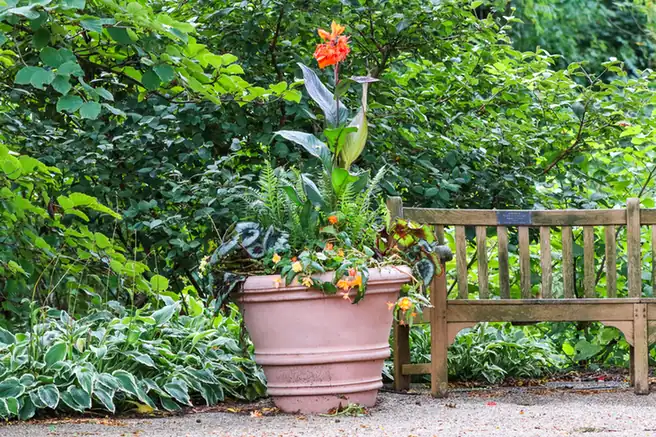
A weak brief conversation is a tour of styles: formal or naturalistic, modern or cottage. A strong one is nosier. Who uses the garden, and at what times of day? Where does the sun land at six in the evening, when you actually sit down? Do you cook outside, or want to? Who does the weeding - you, a gardener, or ideally nobody? What do the children and the dog do to a lawn?
St Albans is a commuter city - the fast train to St Pancras takes around twenty minutes, and plenty of the people we design for see their garden mostly after 6pm on weekdays. A designer who has not asked about that will cheerfully give you a garden that peaks at noon and needs a Saturday a week to maintain. The style conversation matters; the life conversation decides whether the garden gets used.
Walk one of their gardens, or talk to one of their clients
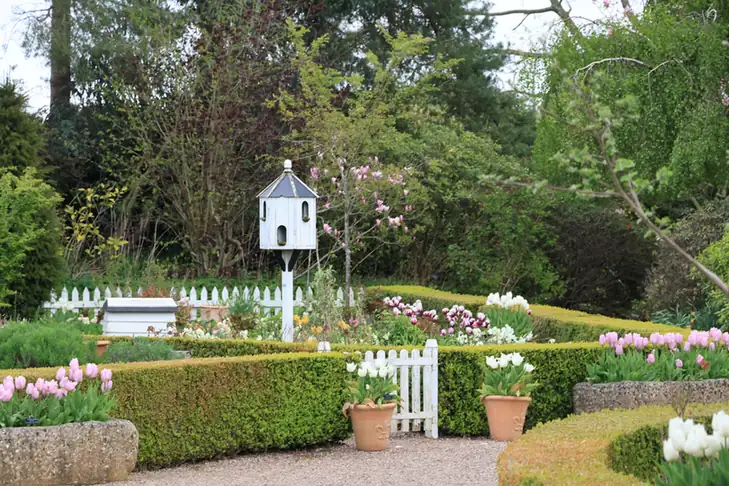
Photographs flatter. A garden two or three years old tells the truth - about whether the levels still drain, whether the planting knitted together or gapped, whether the walls are still true. Ask to visit one, or at minimum to speak to a past client with a project like yours.
Newer studios will not have a deep archive, and that is not disqualifying - everyone’s third garden was preceded by a first. What replaces the archive is transparency: references you can actually ring, drawings you can actually read, and a designer who talks about their previous projects’ mistakes as fluently as their successes. Confidence without specifics is the thing to walk away from.
Make the quotes comparable, or they are worthless
If you take one practical step from this article, take this one: never compare a priced drawing set against a walk-round quote. “Landscape rear garden - £38,000” and an itemised cost against drawings are not two prices for the same job; they are a mystery and a contract. The itemised version tells you the sub-base depths, the drainage provision, the planting budget and the plant sizes. The mystery contains whatever it needed to contain to win.
Get the specification in writing first, then let firms compete on the same document. Our cost guide sets out what honest numbers look like around St Albans and where the money actually goes - including the parts below ground where cheap quotes quietly live.
Common questions
How far ahead should we start talking to designers?
Three to six months before you want to be using the garden. Design takes four to eight weeks done properly, materials and plants have lead times, and the best building windows book up. Starting conversations in autumn for a garden you want next summer is about right - and it puts your planting into the ideal seasons.
Is a big-name designer worth the premium for an ordinary garden?
Usually not for a standard family plot. What you are paying for at the top end is competition-level concept work; what most St Albans gardens need is rigorous survey, sound construction detailing and planting that fits the soil. Judge the drawings and the references, not the name recognition.
What size budget makes a designer worthwhile at all?
Below roughly £15,000 of total spend, a full design commission is hard to justify - a good planting plan and a well-briefed landscaper serve you better. From £25,000 upwards, design fees typically repay themselves just in mistakes not made, and the gap between designed and undesigned outcomes widens with every pound above that.