
Garden Renovation Or Full Redesign In St Albans?
Superior Garden Design St Albans
There is a conversation we have on almost every first visit in St Albans, usually standing at the back door looking down the garden. The owner says “it all needs ripping out.” Then we walk it together, and about half the time it turns out that most of it doesn’t. A garden renovation - keeping the structure, rescuing the planting, repairing what’s tired - can cost a quarter of what a full redesign does, and in the right garden it gives you ninety per cent of the result. In the wrong garden, it’s the most expensive £12,000 you’ll ever spend, because two years later you rip it out anyway. Gardens here skew old: much of the city’s housing went up before 1939, and plenty of plots have thirty or forty years of accumulated planting, paving and half-forgotten decisions in them. This piece is the walk we’d do with you, in writing - what renovation genuinely rescues, what it can’t, and how to tell which side of the line your garden sits.
What a renovation genuinely rescues
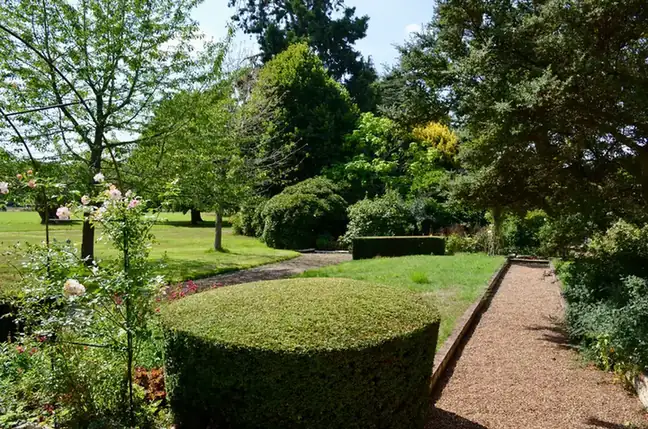
Renovation earns its keep when the garden’s structure is right and its condition is wrong. An overgrown shrub border is the classic case. What reads as a hopeless thicket is often six good plants that haven’t been touched in a decade, and most established shrubs respond to hard cutting back with startling enthusiasm - the RHS guidance on renovating shrubs covers which species take it and which need it staged over two or three winters.
The same logic extends across the plot. A patchy lawn on decent levels can be scarified, topdressed and overseeded for hundreds rather than thousands. A sound patio with failed pointing needs repointing, not replacing. Tired borders can be lifted, divided and replanted to a proper planting design without a single slab moving. If a stranger would look at your garden and say “lovely garden, needs some attention,” renovation is probably your route - and it’s worth being honest that this describes a lot of the gardens we’re asked to redesign.
The mature trees are the part you can’t buy back
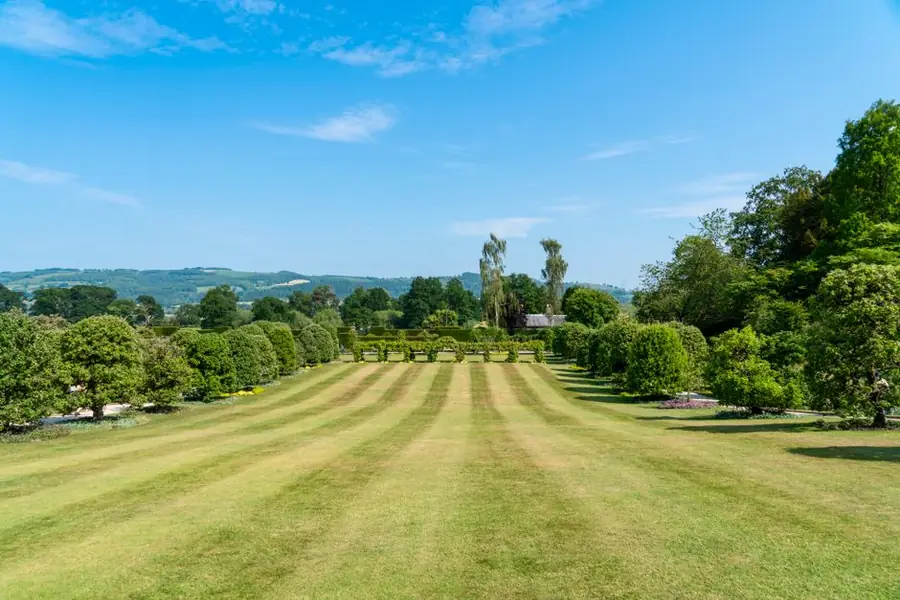
Before any decision about paving or planting, look up. A forty-year-old tree is the one element of a garden that no budget can replace on any timescale that matters to you. Whatever route you take, the established trees should usually be treated as fixed points that the rest of the garden moves around - not obstacles to clear for a blank canvas.
There’s a legal dimension to this in St Albans too. Many of the city’s older streets carry tree preservation orders, and inside a conservation area you must give the council six weeks’ notice before working on almost any tree of reasonable size. St Albans City & District Council’s tree preservation pages let you check what applies to your plot before anyone arrives with a chainsaw. We’ve seen redesign plans built around removing a tree that was never going to be removable - a check that takes ten minutes and would have saved a four-figure design fee.
When the bones are wrong, renovation is money buried
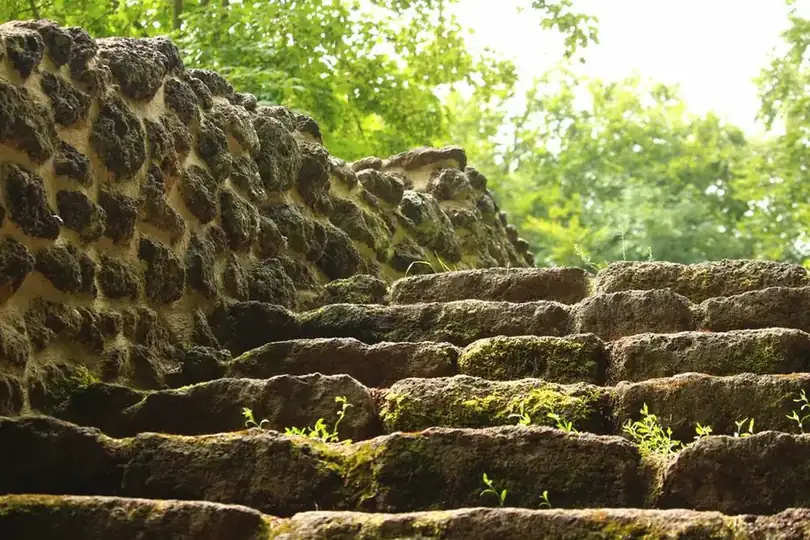
Here is the other half of the story. Some problems live underneath the garden, and no amount of surface work touches them. Levels that shed water towards the house. A retaining wall leaning because it was built without drainage behind it. A terrace laid on sand where it needed a compacted sub-base, now rolling like a gentle sea. Steps in the wrong place, so everyone cuts the corner across the bed and always will.
These are structural faults, and renovating around them means paying twice - once now for the cosmetic work, and again in a few years when the underlying fault finally forces the rebuild and takes your new planting with it. The test we apply: would fixing this properly require excavation? If the honest answer is yes for the main structural elements of the garden, stop patching. A layout that never worked - the seating area that gets no evening sun, the lawn shaped so no mower can cut it - falls in the same category. Those aren’t maintenance problems. They’re design problems, and they were there on day one.
The long, narrow St Albans plot changes the maths
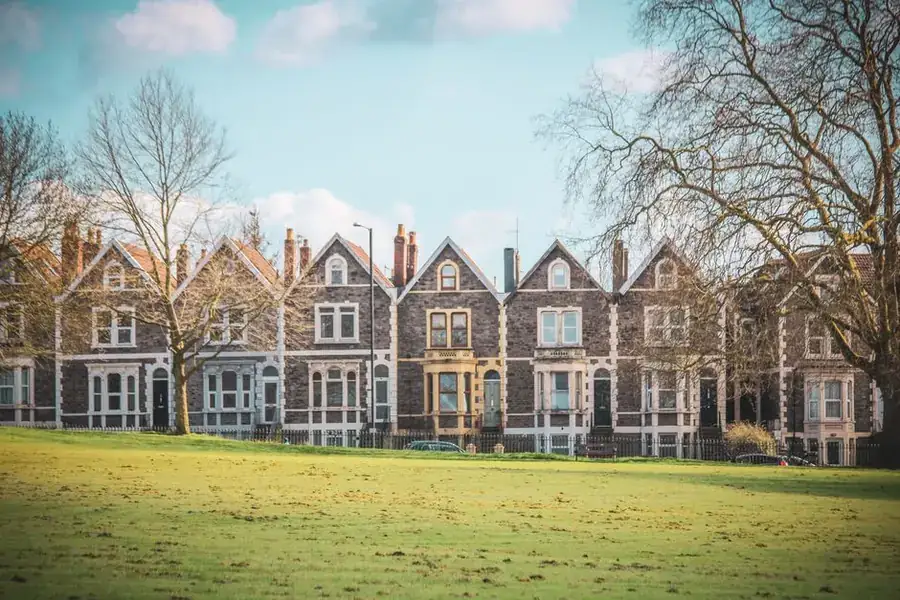
Housing stock decides more garden decisions than people expect. The Victorian and Edwardian terraces around Fleetville, Bernards Heath and the Clarence Park side of the city mostly sit on long, narrow rear gardens - sometimes 30 metres of plot behind a 5-metre frontage. The 1930s semis of Marshalswick and the estates beyond bring wider, squarer plots with a different set of habits: a central lawn, a perimeter path, a shed at the bottom.
The narrow plot is the one where renovation most often disappoints. Its usual fault is not condition but arrangement - one straight view from the kitchen window to the back fence, with everything lined up along the sides like a corridor. You can renovate that corridor to a very high standard and it will still feel like a corridor. Breaking a long garden into rooms, turning the axis, hiding the far boundary - that is layout surgery, and layout surgery is a redesign by definition. On the squarer Marshalswick-type plot the reverse holds: the layout is often fine and forgettable, and ambitious replanting plus one or two new elements remakes it without touching the bones.
Where the money actually goes on each route
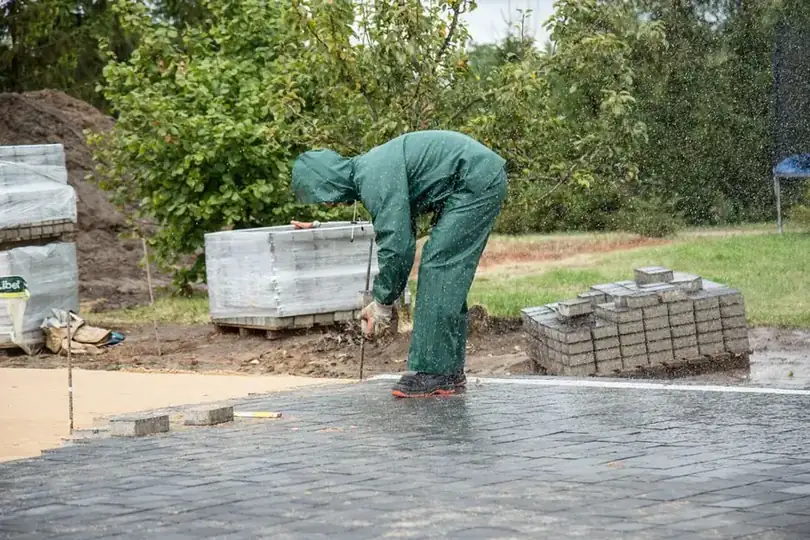
Rough numbers, from projects around St Albans and the villages: a thorough renovation of a typical rear garden - hard pruning, border overhaul with new planting, lawn repair, repointing and cleaning of existing paving - tends to land between £6,000 and £15,000. A full redesign and rebuild of the same garden rarely starts under £30,000, because demolition, excavation, new sub-bases and new hard landscaping consume money before a single plant goes in. Groundwork you never see again is routinely a third of a rebuild budget.
That gap is exactly why the diagnosis matters so much. Choose renovation for a garden with broken bones and you lose the whole £12,000 when the rebuild eventually happens. Choose a rebuild for a garden that only needed condition work and you’ve spent £25,000 buying back structure you already owned - and swapped mature planting for two-litre pots that need five years to catch up. Based on the enquiries we take, somewhere around two in five people who contact us asking about a full redesign end up better served by renovation once the garden has been walked properly. It’s not the more profitable answer for us. It’s just quite often the true one.
How to make the call without guessing
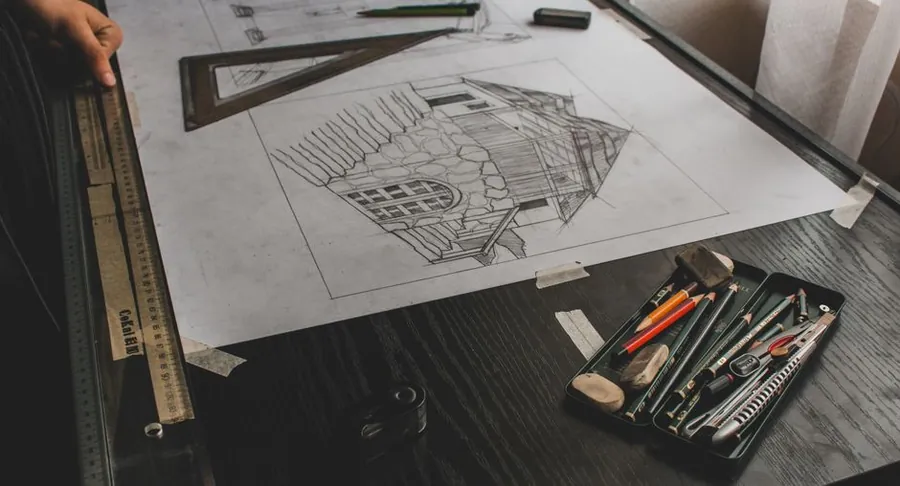
You don’t have to make this judgement alone, and you shouldn’t make it from the back door. Walk the garden slowly with three questions. First: what here would I keep if money were no object? If the answer includes the layout, the trees and most of the hard landscaping, you’re renovating. Second: what’s actually failing, and is the failure on the surface or underneath? Push on walls, watch where water sits after rain, lift a corner of the worst slab. Third: does the garden’s arrangement fit how we live now - or how someone lived in 1985?
If the answers point in different directions, pay for an hour or two of professional eyes before committing to either route. Any designer worth hiring will tell you plainly when a full commission isn’t justified - it’s one of the signals we listed in our guide to choosing a garden designer in St Albans. And a hybrid answer is common: rebuild the terrace and the levels near the house, where the structural faults live, and renovate everything beyond it, where the maturity lives. Our own design process starts with exactly this walk-through, whichever answer it produces.
Common questions
Can we renovate in stages instead of doing everything at once?
Yes, and for condition problems staging works well - shrub renovation is actually better done over two or three winters, and borders can be overhauled bed by bed. The exception is structural work. Levels, drainage and main paved areas are cheapest and least disruptive done in one hit, because every stage of groundwork wrecks whatever finished work sits beside it.
Does a renovation add as much value as a redesign when we sell?
For most sales, condition beats ambition. Buyers respond to a garden that looks cared for and usable, and a £10,000 renovation of a mature garden often presents better than a £40,000 rebuild that’s two years old and still knitting together. The redesign pulls ahead where the existing layout actively fights the house - no usable terrace, no privacy, a garden you look at but can’t sit in.
How do we know if our trees have preservation orders on them?
Check with St Albans City & District Council before planning anything around tree removal - they maintain the register of tree preservation orders, and conservation area rules protect most established trees as well. Applications to work on protected trees need council consent, and unauthorised work carries fines that can reach £20,000 per tree, so make the ten-minute check before anything else gets planned.