
Devil's Dyke
Trees and shrubs have colonised the steep sides of this Iron Age earthwork over centuries. A good place to see which natives cope with shade and thin soil on a slope.
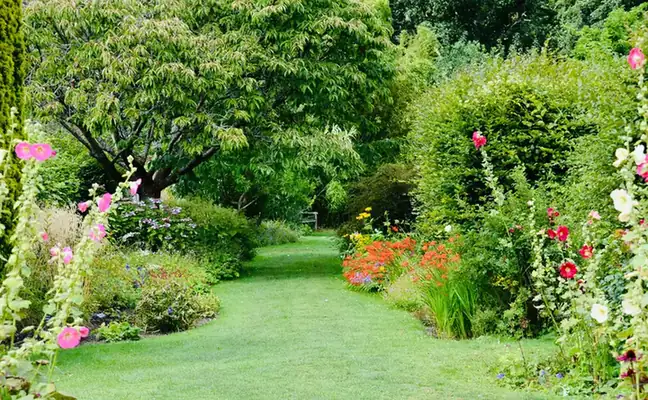
Learn more about Devil's DykeGood planting design in Wheathampstead has a direction to it. Near the house it can be as clipped and colourful as you like. By the far end it should be getting looser, more native, closer in character to the hedgerows and field margins over the boundary. Do that and the garden borrows the whole valley. Skip it and you get a suburban border stopping dead at a field. We plan the gradient first, then pick plants tough enough for the wind and right for whichever of the village's soils you happen to be on.
A few details about the garden is all we need - we will be in touch to arrange a time to come and see it. No charge for the visit and no hard sell afterwards.
The Business Behind It
Suppliers kept on good terms.
Planting by the Lea or towards Gustard Wood needs plants suited to each patch of ground. Mark keeps strong relationships with his suppliers, which helps with pricing and delivery times.
Each planting day is set out on paper the night before. Albert answers the office phone and keeps the admin moving.
Wheathampstead
Clipped shapes and richer colour near the house, then looser perennials and grasses, then native shrubs and long grass at the boundary. The eye follows it out into the field without hitting a hard stop.
Hawthorn, field maple, hazel, dogwood and wild rose, mixed the way the old hedgerows round here are. Planted as bare-root whips in winter, they knit together within a few seasons and feed the birds from the start.
Sow a meadow on rich garden topsoil and you get rough grass. We reduce fertility where needed and sow or plug-plant species that suit the ground, so the far end flowers rather than simply grows.
Tall, top-heavy plants flop on exposed plots. We use sturdy mid-height perennials and grasses that bend and recover, and keep anything taller in the lee of the house or a hedge.
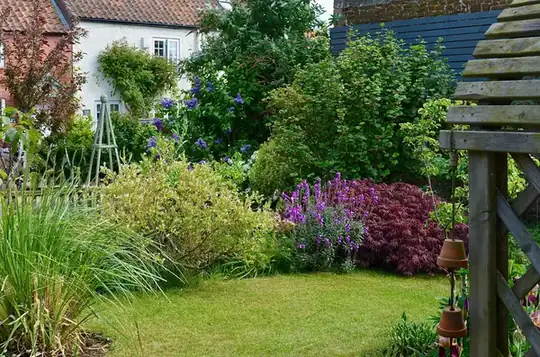
Small gardens by St Helen's and along the High Street suit the cottage mix of old roses, hollyhocks, aquilegia and herbs. We plan them so the generous look lasts the summer rather than collapsing by August.
Chalk on the slopes, gravel by the Lea and clay-with-flints on the plateau each need their own plant list. We check which you have with a spade before choosing a single plant.
Before You Choose
A native hedge and a garden hedge with a few hawthorns in it are not the same thing, and out here the difference shows. A proper mixed hedge has five or six species set in a staggered double row, chosen to match the hedgerows nearby. It looks right from the field side as well, which your neighbours and the local wildlife will both notice.
Ask how they would handle the wind. If the plan for an open garden near Nomansland is full of delphiniums and tall dahlias, expect a lot of staking and some disappointment. A designer who has worked on exposed plots will talk about shelter planting, plant height and where the calm corners fall before getting on to colour. Colour is the easy bit.
And ask what they think a meadow is. Some will say a packet of seed. The honest answer involves soil fertility, the right mix for your ground, a cutting regime and two or three years of patience. Meadow edges look effortless when they are done well. Getting them there takes rather more planning than the word suggests.
Compared
How you treat the far end of a village-edge garden decides whether it belongs to the countryside or argues with it.
| Our graded planting scheme | Borders run right round the edge | Lawn up to the fence line | |
|---|---|---|---|
| Link to the landscape | Planting loosens toward the field, so the view joins in | Garden colour stops abruptly at the boundary | None; the fence becomes the feature |
| Coping with wind | Sturdy species, shelter planting on the windward side | Tall plants staked, then flattened anyway | Grass copes, everything else suffers |
| Fit to the soil | Separate plant lists for chalk, gravel or clay | One mix across very different ground | Not considered at all |
| Value to wildlife | Native hedge, meadow edge and seedheads left standing | Some, mostly from summer flowers | Very little beyond the odd blackbird |
| Mowing and weeding | Less lawn, cut paths, one main meadow cut | Long border edges to keep weeded | A lot of mowing every single week |
| Through the year | Hedge, grasses and seedheads carry the winter | Bare patches from November to April | Green, flat and much the same |
Our Process
The same seven stages as any of our projects. For village plots the survey includes standing at the back boundary in a breeze and a spade test at each end of the garden.
We walk the garden with you and listen more than we talk. Then the measuring starts: levels, orientation, drainage behaviour, existing trees worth keeping, and test pits to find out what soil you genuinely have rather than what the area is assumed to have.
A scaled masterplan showing the whole garden - spaces, routes, levels, structures and planting zones - with mood imagery for materials and atmosphere. This is where you react, argue and change things. Far cheaper to move a terrace on paper than in stone.
The agreed concept is developed into construction drawings and a species-by-species planting plan: setting-out dimensions, wall and step details, levels, lighting positions, and every plant named with its quantity and pot size.
Because the design is fully drawn, the build can be priced properly - each element itemised, so if the figure needs trimming you choose what changes rather than watching quality quietly disappear from everything.
Groundworks, drainage, terracing, walls, steps and structures, built off the drawings by our own landscaping team. Setting-out is checked against the plan, and sub-bases and falls are treated as the point of the job, not the boring bit before the paving.
Beds are decompacted and improved before a single plant goes in - on this area's clay-with-flints and chalk that preparation decides whether a border establishes or sulks. Then the planting plan is set out on the ground, adjusted by eye, and planted.
We walk the finished garden with you, hand over the plans, plant list and care calendar, and come back during the first season - because a designed garden is at its most vulnerable in its first year, not its first week.
Detail
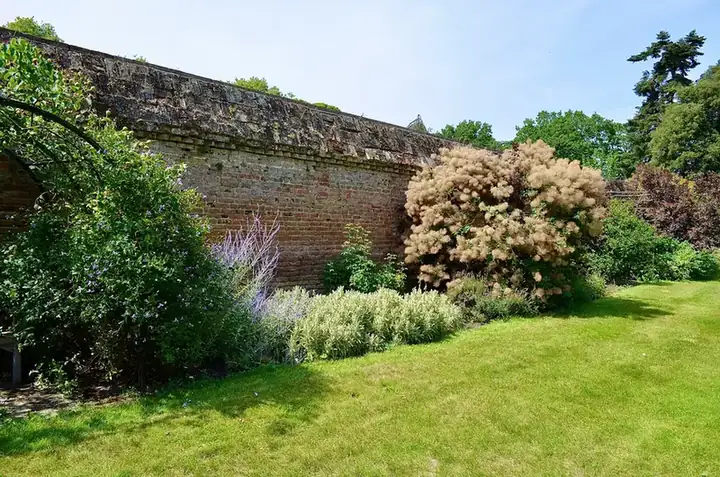
We think of a village-edge garden in three bands. The first, nearest the house, is the most designed: clipped evergreens, a terrace border, the plants you look at every day. The middle band relaxes into grasses and long-flowering perennials. The last band borrows from the hedgerow and the field margin. It is not a rule so much as a habit, and it rarely lets us down here.
The bands only work if the paths, terraces and boundaries suit them, which is why a lot of our planting plans here arrive alongside garden landscaping work in Wheathampstead. Cottage gardens in the centre are a different matter. There we plant densely and informally against the flint, and the gradient gives way to layers: climbers and roses at the back, perennials and herbs at the front.
Reassurance
Budget
£4,000 – £20,000
Native hedging and meadow edges cost little per metre compared with ornamental borders, which helps on big plots. The spend goes on ground preparation, on structure near the house and on the sheer length of planting some Gustard Wood gardens need. Small cottage gardens cost less overall but are planted far more densely.
Chalk on the valley sides needs organic matter worked in. Gravels by the Lea and around Marford drain fast and want a moisture-holding mulch. Clay-with-flints toward Gustard Wood needs breaking up. Each preparation differs and is priced as such.
A long field edge means a lot of hedge. Bare-root whips planted in winter are far cheaper than container stock, so timing the hedge for the dormant season keeps this part of the budget down.
Turning rich lawn into flowering meadow may mean stripping turf, sowing into low-fertility ground or plug planting. The method depends on your soil and the size of the area, and it shifts the cost noticeably.
The Area
Before planting a boundary it helps to see what already grows well round the village. These three are good places to look.
Trees and shrubs have colonised the steep sides of this Iron Age earthwork over centuries. A good place to see which natives cope with shade and thin soil on a slope.
Learn more about Devil's DykeThe Woodland Trust's young forest of 850 acres between the village and Sandridge, with native trees, bluebell copses and meadow. Go in late spring for ideas for your own field edge.
Learn more about Heartwood ForestHeath and grassland up on the plateau. What grows here shows how different the ground is up top from the chalk in the valley below.
Learn more about Nomansland CommonQuestions
Feedback
Rated 5 out of 5
“We had lived with a sloping, unusable lawn in Batchwood for eleven years and assumed it was just what the garden was. The masterplan split it into three levels with a long bench built into the top retaining wall, and we now eat outside from April to October. The bit that impressed me most was the drainage they insisted on putting behind the walls - invisible, and clearly the reason nothing has moved.”
Rated 5 out of 5
“The house was rebuilt two years ago and the garden never caught up - a builder's lawn and a patio that faced the wrong way. They redesigned the whole plot around the new kitchen's sightlines and put in planting with real maturity. Neighbours assume the garden came with the rebuild, which I think is the point.”
Rated 5 out of 5
“What we wanted was borders like the ones you see at proper gardens, and what we had was clay you could throw pots with. The planting plan came with every species named and a paragraph on why it would cope with our soil. Two summers in, the border is better than the photographs they showed us at concept stage.”
Rated 5 out of 5
“An outdoor kitchen was my husband's idea and I was sceptical it would ever be used. Because the gas, power and lighting all went in before the paving, it looks built-in rather than bolted on, and we cooked outside more or less every weekend last summer. The festoon lighting on the pergola was their suggestion and it makes the whole thing at night.”
Rated 5 out of 5
“A proper process from start to finish. Survey with test pits, a concept we pushed back on twice without any sulking, then a build crew who turned up when they said and swept the drive every evening. The care calendar they left us is pinned inside the shed door and actually gets used.”
Coverage
Wheathampstead is one of several places we plant regularly, alongside Harpenden, St Albans, Welwyn and the other towns on our list.
Tell us about your plot and how far the view goes. We will come out, test the soil and suggest a plan that belongs to the village.