
Welwyn Roman Baths
Not much planting under the motorway, admittedly. But the Romans settled this valley for a reason, and the chalk that feeds the river shapes every garden in the village above.
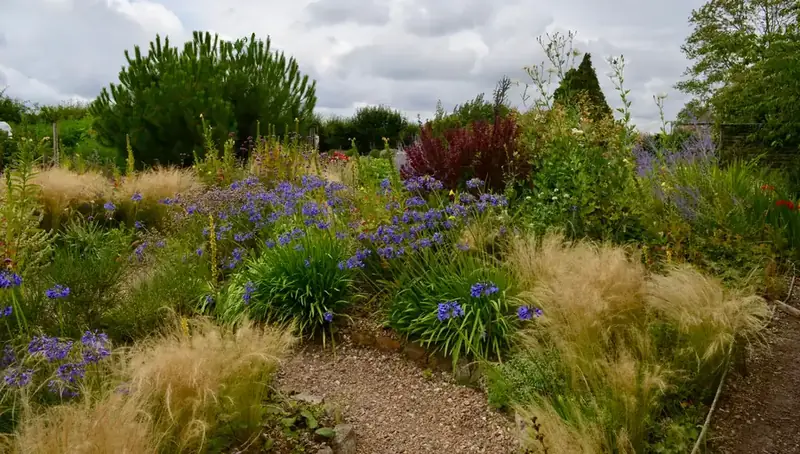
Learn more about Welwyn Roman BathsPlanting design in Welwyn starts with an admission: the chalk is in charge. On the valley sides above the Mimram the soil is shallow, stony and alkaline, and it drains faster than you can water it. Plenty of gardeners spend years trying to turn it into something richer, then wonder why the hydrangeas sulk. We take the opposite view. Choose plants that enjoy lean living, give them a decent start, and a chalk garden in Welwyn will outlast and outperform most borders on heavier ground, particularly in a dry summer.
A few details about the garden is all we need - we will be in touch to arrange a time to come and see it. No charge for the visit and no hard sell afterwards.
The Business Behind It
Suppliers kept on good terms.
Drought-tolerant planting on Mimram valley chalk depends on finding the right plants. Mark maintains good relationships with his suppliers, which helps on rates and on delivery times for each scheme.
Planting days are planned and written down the night before. Albert is in the office and on the phone throughout, so there is always someone to answer your questions.
Welwyn
Salvias, scabious, origanum, euphorbias, sea hollies and a fair few grasses positively prefer thin, alkaline soil. Built around them, a Welwyn border needs less feeding, less staking and far less water than people expect.
Plant straight into gravel over improved chalk and the stones keep crowns dry, suppress weeds and hold moisture underneath. It is the most natural way to garden on these slopes and, done well, the least work.
We do not try to change the chalk. We dig generous organic matter into the planting pockets and mulch every year, which helps roots establish and lifts the soil's ability to hold water through summer.
Once settled, a well-planned chalk border sits out a long dry spell with little or no watering. We plan the first summer's watering carefully, then let deep roots make it unnecessary.
Plots near the Mimram are planted and fed with restraint. Slow organic mulch rather than quick soluble fertiliser keeps nutrients in the beds and away from the river, which is simply good practice.
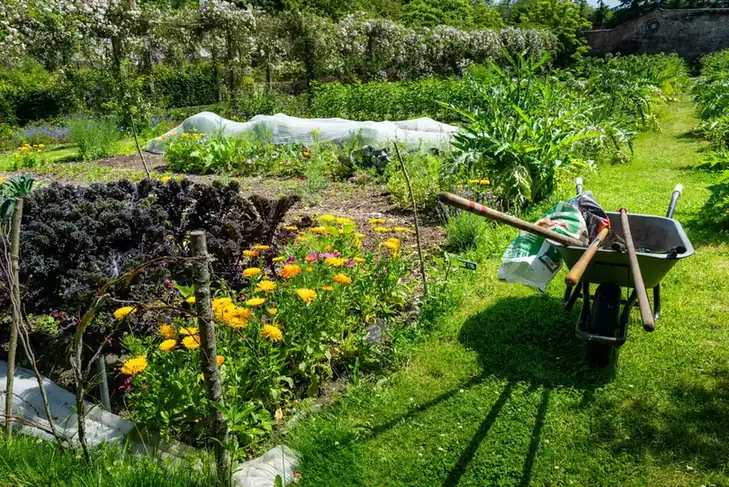
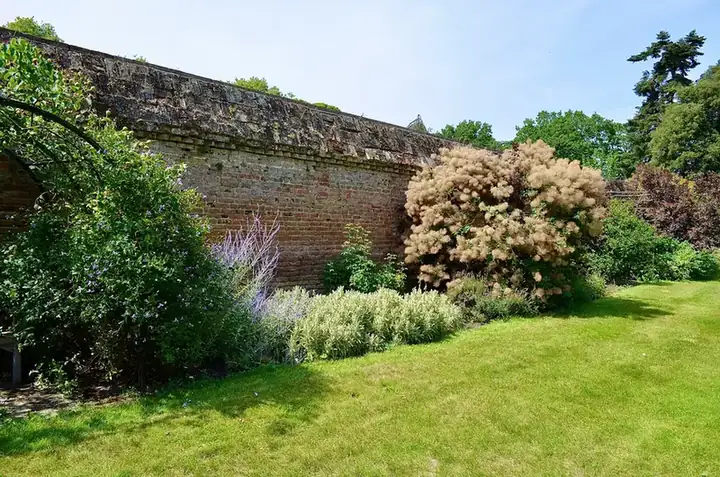
Old brick walls store heat and shelter tender plants. We replant Welwyn's walled village gardens with trained fruit, climbing roses and borders that make use of that warmth instead of wasting it on lawn.
Before You Choose
The quickest test of a chalk gardener is to ask what they would never plant here. A good one answers without pausing: rhododendrons, camellias, pieris and most heathers, unless you fancy growing them in pots of bought compost for the rest of your life. If the designer hesitates, or says a bag of ericaceous compost will sort it, they have not gardened on chalk for long.
Water comes next. A planting plan for a Welwyn valley-side garden should explain how the plants will be established in their first summer and how soon they will need nothing at all. Anyone proposing permanent irrigation for herbaceous borders on chalk is solving the wrong problem. The right answer is the right plants, planted small and watered well at the start.
Then there is feeding. Near a chalk stream that matters more than usual. Heavy use of soluble fertiliser on thin, fast-draining soil does little for the plants and can wash straight through. A careful designer will talk about compost, leaf mould and mulch instead, which build the soil slowly and stay where they are put. It is better gardening as well as better neighbourliness.
Compared
Most Welwyn gardeners have tried at least one of the last two. Here is why the first tends to last.
| Our chalk-led planting scheme | Importing topsoil to fight the chalk | Lawn and a few shrubs | |
|---|---|---|---|
| Plant choice | Species that prefer lean, alkaline ground | Rich-soil plants that need the chalk hidden | Whatever survives, which is not much |
| Summer drought | Copes once established, with little watering | Thirsty, as roots reach the chalk below | Lawn browns quickly; shrubs struggle on |
| Feeding | Organic mulch, applied once a year | Regular fertiliser just to keep going | Lawn feed that mostly washes through |
| Close to the Mimram | Low-nutrient approach keeps the river in mind | More fertiliser, more risk of runoff | Lawn treatments the main worry |
| Winter look | Grasses, seedheads and evergreen herbs | Bare soil where perennials have collapsed | Green lawn and the odd evergreen |
| Five years on | Self-sustaining and gently self-seeding | Endless topping up of soil and plants | Unchanged, and rather dull |
Our Process
The usual seven stages, with the soil test doing a great deal of the work. On chalk, the first spadeful decides most of the plant list.
We walk the garden with you and listen more than we talk. Then the measuring starts: levels, orientation, drainage behaviour, existing trees worth keeping, and test pits to find out what soil you genuinely have rather than what the area is assumed to have.
A scaled masterplan showing the whole garden - spaces, routes, levels, structures and planting zones - with mood imagery for materials and atmosphere. This is where you react, argue and change things. Far cheaper to move a terrace on paper than in stone.
The agreed concept is developed into construction drawings and a species-by-species planting plan: setting-out dimensions, wall and step details, levels, lighting positions, and every plant named with its quantity and pot size.
Because the design is fully drawn, the build can be priced properly - each element itemised, so if the figure needs trimming you choose what changes rather than watching quality quietly disappear from everything.
Groundworks, drainage, terracing, walls, steps and structures, built off the drawings by our own landscaping team. Setting-out is checked against the plan, and sub-bases and falls are treated as the point of the job, not the boring bit before the paving.
Beds are decompacted and improved before a single plant goes in - on this area's clay-with-flints and chalk that preparation decides whether a border establishes or sulks. Then the planting plan is set out on the ground, adjusted by eye, and planted.
We walk the finished garden with you, hand over the plans, plant list and care calendar, and come back during the first season - because a designed garden is at its most vulnerable in its first year, not its first week.
Detail
The best chalk gardens look generous without being fed generously. The trick is density and timing. Plant small, plant in autumn so roots grow through winter, set plants closer than the labels suggest so they shade the soil, and mulch with gravel or compost depending on the look you want. Within two summers the planting meets in the middle and the weeds have nowhere left to go.
Planting on a slope this lean also depends on the structure around it: terraces to hold the soil, gravel paths, low walls that store heat. Where the ground needs reshaping we design the beds hand in hand with our garden landscaping in Welwyn. In the walled village gardens the approach shifts again, with richer planting against the warm brick and leaner gravel areas out in the open.
Reassurance
Budget
£4,000 – £20,000
Chalk planting often costs less in plants than people expect, because lean-soil species are best bought small and planted densely. The money tends to go on soil improvement in the planting pockets, on gravel mulch and, in walled gardens, on renovating old fruit and climbers alongside the new stock.
Thin chalk on the slopes at Danesbury and Oaklands needs organic matter worked into every planting pocket. Deeper, damper alluvium near Singlers Marsh needs far less, and supports a lusher, quite different plant list.
A gravel garden needs mulch and careful preparation but fewer plants per square metre. A traditional border needs more plants and more mulch each year. Many Welwyn gardens end up using both.
Pruning old fruit trees, re-wiring walls and renovating climbers takes skilled time over more than one season. It often saves money on new plants, but it is a cost in its own right.
The Area
Three local places that tell you a good deal about what grows here, and why.
Not much planting under the motorway, admittedly. But the Romans settled this valley for a reason, and the chalk that feeds the river shapes every garden in the village above.
Learn more about Welwyn Roman BathsThe damp meadows along the Mimram show the valley floor's other soil: deeper, wetter alluvium. Look at what grows by the water before planting a garden at the bottom of the slope.
Learn more about Singlers MarshVeteran trees on old chalk parkland above the village. Plant the right tree on this soil and it will outlast the house, the owner and probably the next three owners too.
Learn more about Danesbury ParkQuestions
Feedback
Rated 5 out of 5
“We had lived with a sloping, unusable lawn in Batchwood for eleven years and assumed it was just what the garden was. The masterplan split it into three levels with a long bench built into the top retaining wall, and we now eat outside from April to October. The bit that impressed me most was the drainage they insisted on putting behind the walls - invisible, and clearly the reason nothing has moved.”
Rated 5 out of 5
“The house was rebuilt two years ago and the garden never caught up - a builder's lawn and a patio that faced the wrong way. They redesigned the whole plot around the new kitchen's sightlines and put in planting with real maturity. Neighbours assume the garden came with the rebuild, which I think is the point.”
Rated 5 out of 5
“What we wanted was borders like the ones you see at proper gardens, and what we had was clay you could throw pots with. The planting plan came with every species named and a paragraph on why it would cope with our soil. Two summers in, the border is better than the photographs they showed us at concept stage.”
Rated 5 out of 5
“An outdoor kitchen was my husband's idea and I was sceptical it would ever be used. Because the gas, power and lighting all went in before the paving, it looks built-in rather than bolted on, and we cooked outside more or less every weekend last summer. The festoon lighting on the pergola was their suggestion and it makes the whole thing at night.”
Rated 5 out of 5
“A proper process from start to finish. Survey with test pits, a concept we pushed back on twice without any sulking, then a build crew who turned up when they said and swept the drive every evening. The care calendar they left us is pinned inside the shed door and actually gets used.”
Coverage
Welwyn's chalk is only one of the soils we plant on. We also work across Wheathampstead, Harpenden, St Albans and the other towns listed here.
Book a soil test and design visit. We will tell you what your Welwyn garden wants to grow and plan a scheme around it.