
Gadebridge Park
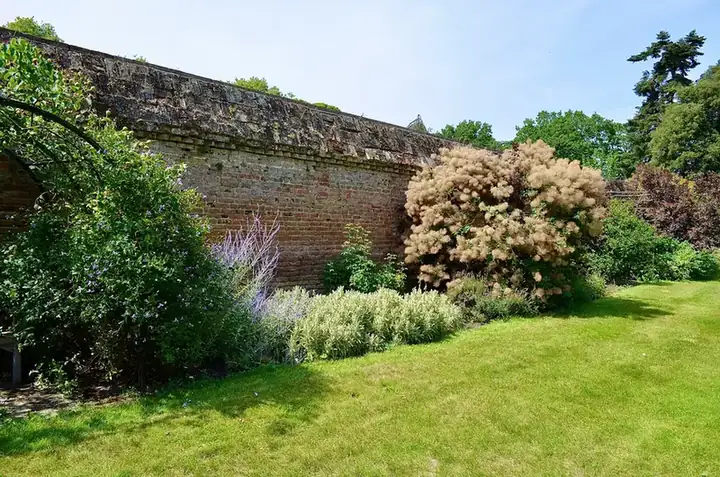
The walled garden at the park's heart shows how a sheltered enclosure warms up early in spring. Notice what thrives against its walls; Old Town plots share the same microclimate.
Learn more about Gadebridge ParkPlanting design in Hemel Hempstead reaches us in two forms, and the town's history explains why. Old Town gardens have been cultivated for two centuries, so their borders are overgrown rather than empty, with wall-trained fruit and elderly shrubs hiding a layout someone once cared about. Many New Town gardens, by contrast, were turfed in the 1950s and 60s and never really planted at all. We write schemes for both, starting with what the soil underneath is doing, because in Hemel that changes from one neighbourhood to the next.
A few details about the garden is all we need - we will be in touch to arrange a time to come and see it. No charge for the visit and no hard sell afterwards.
The Business Behind It
Suppliers kept on good terms.
Chalk in the valleys and clay-with-flints on the higher ground ask for different plants, and sourcing them well depends on suppliers. Mark puts real effort into those relationships, which helps with rates and delivery times.
Every planting day is organised the evening before and written down. Albert, in the office, can take your calls and keep you updated.
Hemel Hempstead
Before writing a plant list for an Old Town garden we spend time finding out what is already there: which shrubs are worth renovating, which bulbs come up in spring and which tired roses can be cut hard and brought back.
Espaliered pears and fan-trained plums on Georgian walls are common here and often half forgotten. We prune them back into shape, renew their wires and ties, and plant the border at their feet so they read as part of the scheme.
In a New Town garden with nothing in it, the first job is permanent structure: yew, multi-stem trees and shrubs that keep their shape through winter. Flowers come afterwards, once the framework has been set out on the ground.
Under Boxmoor and much of the Gade valley the chalk is shallow, the soil drains fast and summers can be dry. We plan for lean conditions there, with plants that would rather struggle a little than sit in rich ground.
At Leverstock Green and Highfield the clay-with-flints holds moisture and nutrients, which suits roses, viburnums and fuller late-summer planting. The same border would look thin on the valley floor, so one scheme never gets reused across the town.
Many New Town plots belong to busy households. We plan borders to a realistic amount of maintenance, keep a kickabout lawn where one is wanted and put the more delicate planting where it will not get trampled.
Before You Choose
A planting designer worth hiring will want your garden's history before they talk about colour. Is the border inherited or new? Did an earlier owner plant anything you like? In an Old Town garden that conversation can save a good deal of money, because renovating established shrubs gives a height and maturity that new stock would take ten years to match.
They should also want to dig. Hemel sits where two river valleys meet the chalk dip slope, so the soil changes noticeably between Boxmoor and the higher estates. A designer who skips the soil test is working from a guess, and a scheme written for the wrong ground fails slowly and expensively, one dead plant at a time.
Listen, too, for how they talk about New Town gardens. Some designers treat a plain post-war plot as second best. It isn't. An open, well-drained, sunny rectangle with no old trees in the way is about the best starting point a planting scheme can have, and a good designer will sound pleased to be given one.
Compared
Hemel gardens tend to reach us in one of a few conditions. Here is how a drawn scheme handles them compared with the two usual quick fixes.
| Our planting plan | Clearing it all and starting again | Topping up from the garden centre | |
|---|---|---|---|
| Inherited shrubs and fruit | Assessed, renovated and kept where they earn it | Removed with everything else in the first week | Left alone, slowly swallowing each new addition |
| New Town bare plots | Structure planted first, then layers of perennials | Turf laid again, with a narrow border | Bedding each spring, gone by October |
| Chalk in the valley | Lean-soil plants that like sharp drainage | Rich-soil favourites that flag in dry summers | Whatever was on offer that weekend |
| Clay on the tops | Moisture-loving shrubs and roses, ground prepared first | The same list used on the chalk | Lavender planted into wet winter ground |
| Interest in winter | Evergreen frame, coloured stems and seedheads planned | Bare soil until the new planting fills | Very little once the first frosts arrive |
| Five years later | Layered, mature and easy to keep | Only just beginning to look settled | Crowded and patchy, ready for another clear-out |
Our Process
Our seven stages are the same whether we are planting or building, but in Hemel the survey carries extra weight. It is where we sort the keepers from the clutter in older gardens and dig test holes in newer ones.
We walk the garden with you and listen more than we talk. Then the measuring starts: levels, orientation, drainage behaviour, existing trees worth keeping, and test pits to find out what soil you genuinely have rather than what the area is assumed to have.
A scaled masterplan showing the whole garden - spaces, routes, levels, structures and planting zones - with mood imagery for materials and atmosphere. This is where you react, argue and change things. Far cheaper to move a terrace on paper than in stone.
The agreed concept is developed into construction drawings and a species-by-species planting plan: setting-out dimensions, wall and step details, levels, lighting positions, and every plant named with its quantity and pot size.
Because the design is fully drawn, the build can be priced properly - each element itemised, so if the figure needs trimming you choose what changes rather than watching quality quietly disappear from everything.
Groundworks, drainage, terracing, walls, steps and structures, built off the drawings by our own landscaping team. Setting-out is checked against the plan, and sub-bases and falls are treated as the point of the job, not the boring bit before the paving.
Beds are decompacted and improved before a single plant goes in - on this area's clay-with-flints and chalk that preparation decides whether a border establishes or sulks. Then the planting plan is set out on the ground, adjusted by eye, and planted.
We walk the finished garden with you, hand over the plans, plant list and care calendar, and come back during the first season - because a designed garden is at its most vulnerable in its first year, not its first week.
Detail
In an Old Town garden the first morning on site is often spent with secateurs rather than a spade. Cutting back decades of growth regularly uncovers a box-edged path, a fig or a pair of wall-trained pears, and every find reduces the number of new plants the scheme needs. Restoring these gardens is frequently better value than starting again, and it keeps the sense of age that makes them special in the first place.
Gadebridge and the other New Town neighbourhoods need a plan that supplies what age would otherwise have given them: height, shade and a feeling of enclosure. Small trees and clipped evergreens go in first, layered perennials after. Where a bare plot also lacks paths, levels or a decent terrace, we draw the borders alongside our garden landscaping in Hemel Hempstead, so the planting and hard surfaces are worked out together.
Reassurance
Budget
£4,000 – £20,000
Restoring an Old Town border usually needs fewer new plants but more skilled labour, since pruning, dividing and replanting around what stays all take time. A New Town plot planted from bare turf needs more stock, sometimes including semi-mature trees for instant height. We cost both routes and show you where the money goes.
Boxmoor and the Gade valley gardens sit on shallow chalk that needs organic matter dug in before planting. Leverstock Green's clay needs breaking up and better drainage instead. The soil work is part of the price either way.
Every established shrub or fruit tree we can renovate is one fewer to buy. In older gardens the saving can be substantial, though it is partly offset by the hours that careful restoration takes.
Semi-mature trees and large evergreens give a New Town garden enclosure in its first year but cost several times as much as smaller stock. We show both options and let you decide where size is worth paying for.
The Area
Three local places show how plants can work with chalk, water and old enclosure. Each is worth a walk before you settle on a scheme.
The walled garden at the park's heart shows how a sheltered enclosure warms up early in spring. Notice what thrives against its walls; Old Town plots share the same microclimate.
Learn more about Gadebridge ParkJellicoe kept the planting restrained so the water and the lines of the layout could lead. A useful reminder that a good border does not need every plant to shout at once.
Learn more about Jellicoe Water GardensThe Trust's grazed meadows and wet moorland edges beside the canal show which native grasses and wildflowers suit the valley floor. Handy reference for a looser edge to a Boxmoor garden.
Learn more about BoxmoorQuestions
Feedback
Rated 5 out of 5
“We had lived with a sloping, unusable lawn in Batchwood for eleven years and assumed it was just what the garden was. The masterplan split it into three levels with a long bench built into the top retaining wall, and we now eat outside from April to October. The bit that impressed me most was the drainage they insisted on putting behind the walls - invisible, and clearly the reason nothing has moved.”
Rated 5 out of 5
“The house was rebuilt two years ago and the garden never caught up - a builder's lawn and a patio that faced the wrong way. They redesigned the whole plot around the new kitchen's sightlines and put in planting with real maturity. Neighbours assume the garden came with the rebuild, which I think is the point.”
Rated 5 out of 5
“What we wanted was borders like the ones you see at proper gardens, and what we had was clay you could throw pots with. The planting plan came with every species named and a paragraph on why it would cope with our soil. Two summers in, the border is better than the photographs they showed us at concept stage.”
Rated 5 out of 5
“An outdoor kitchen was my husband's idea and I was sceptical it would ever be used. Because the gas, power and lighting all went in before the paving, it looks built-in rather than bolted on, and we cooked outside more or less every weekend last summer. The festoon lighting on the pergola was their suggestion and it makes the whole thing at night.”
Rated 5 out of 5
“A proper process from start to finish. Survey with test pits, a concept we pushed back on twice without any sulking, then a build crew who turned up when they said and swept the drive every evening. The care calendar they left us is pinned inside the shed door and actually gets used.”
Coverage
Our planting work reaches well beyond Hemel, across Berkhamsted, Harpenden, St Albans and the rest of the towns listed here.
Book a visit and we will walk the garden with you, test the soil and tell you what is worth keeping before we plan anything new.