
Chorleywood Common
Two hundred acres where open grass meets the wood. Stand at that margin in May and you are looking at the brief for half the gardens in the village.
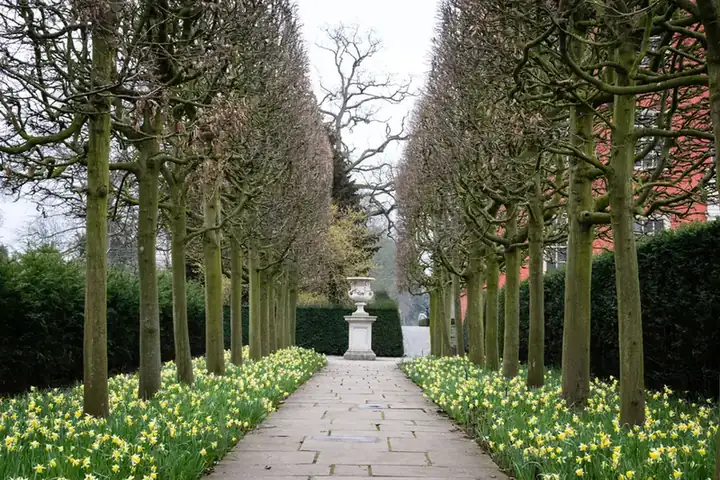
Learn more about Chorleywood CommonGood planting design in Chorleywood begins with your eyes on the canopy. The oaks and beeches that frame most gardens here shape everything below them: where the light falls, how dry the ground gets, which months the border can flower. Rather than fight that, we plant the way a woodland edge grows naturally, in layers. Small trees and shrubs carry the middle storey, ferns and shade-tolerant perennials hold the ground, and spring bulbs fill the weeks before the canopy closes. The clay-with-flints here suits more of that palette than people expect.
A few details about the garden is all we need - we will be in touch to arrange a time to come and see it. No charge for the visit and no hard sell afterwards.
The Business Behind It
Suppliers kept on good terms.
Shade-tolerant planting for Chorleywood's clay-with-flints over chalk depends on good supply. Mark works at staying on good terms with suppliers, and that helps his clients with pricing and delivery times.
Each planting day is planned in writing beforehand, and Albert keeps the phones covered in the office, so you can always get hold of someone.
Chorleywood
Dry shade under beech and damp shade on open clay need different plants. We map both on the survey so each area gets species that will settle, not a single shade list spread everywhere.
Snowdrops, wood anemones, erythroniums and camassias flower while light still reaches the ground. Planted in drifts, they give Chorleywood gardens their best weeks of colour before the leaves come in.
The clay-with-flints here runs slightly acid and holds moisture, so hydrangeas, camellias and even some rhododendrons do well. We use them where the soil suits them, rather than forcing them onto chalk.
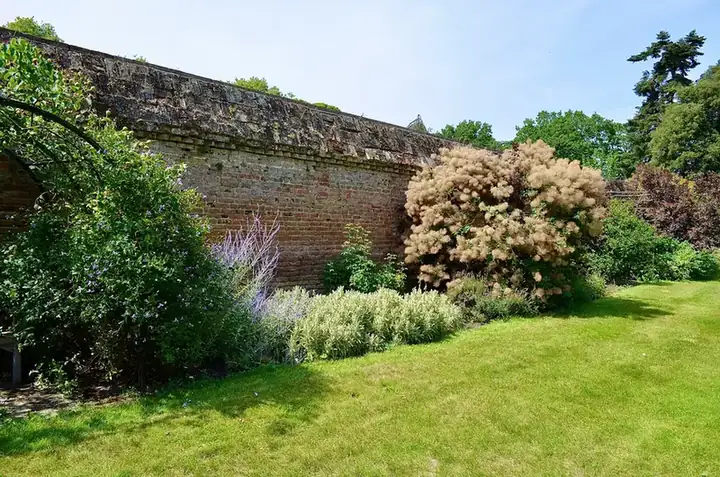
Under tall trees a garden can feel strangely empty at eye level, all trunk and lawn. Multi-stem amelanchier, hazel, cornus and Japanese maples fill that layer, so the border has height and shape between the lawn and the canopy.
Once the leaves fall, light floods back. Hellebores, sarcococca, witch hazel and evergreen ferns make the most of it, with scent and flower when the rest of the garden is resting.
Gardens backing the common or the woods look best when they blend into them. Native shrubs and naturalistic drifts link the boundary to the wider landscape rather than drawing a hard line.
Before You Choose
Ask how they would plant under a beech. It's the hardest place in any Chorleywood garden: dark in summer, bone dry from the tree's roots, and covered in leaf litter each autumn. A designer who reaches for hostas and astilbe there hasn't understood it. Those lush, moisture-hungry plants will flag by midsummer as the beech roots drink the bed dry. Plants like epimedium, Geranium macrorrhizum and dry-shade ferns will cope, and the answer should mention them or their equivalents.
Ask whether they've tested your soil. The village sits on clay-with-flints over chalk, and in some gardens the chalk comes closer to the surface toward the lower end, nearer the Chess valley. A plan that assumes one soil across the whole plot will put acid-loving shrubs on ground that turns alkaline at the bottom. A trial pit or two settles it. It takes an hour, and it saves a border.
Ask what the garden will look like in March. Under deciduous trees, early spring is when the garden shines, and a good scheme for Chorleywood leans into it with bulbs and early perennials. If the designer only talks about June, you may end up with a garden that peaks just as the canopy shuts out the light. March is the month to judge them by.
Compared
Shaded gardens tend to go one of three ways. Only one of them makes the shade part of the appeal.
| Layered woodland-edge scheme | Sun-loving border planted in hope | Grass and ivy under the trees | |
|---|---|---|---|
| Under beech | Epimediums, dry-shade ferns, sarcococca | Sparse, leggy plants reaching for light | Bare earth and patchy ivy |
| In damp shade | Hydrangeas, astrantia, hellebores and foxgloves | Mildew and slugs take over | Moss creeps into the lawn |
| Spring | Bulb drifts before the canopy closes | Little until the canopy shuts | Some daffodils if planted years ago |
| Winter | Scent, evergreen ferns and coloured stems | Gaps and dead stems | Brown, muddy and leaf-covered |
| Soil fit | Plants matched to clay-with-flints or chalk | Chosen from labels, not soil | Only grass, which struggles |
| Link to the landscape | Blends with the common and woods | Looks out of place under oaks | Dull edge between house and trees |
Our Process
Survey visits in Chorleywood track the light across the garden at different times of day, so the planting plan reflects how much sun each bed really gets.
We walk the garden with you and listen more than we talk. Then the measuring starts: levels, orientation, drainage behaviour, existing trees worth keeping, and test pits to find out what soil you genuinely have rather than what the area is assumed to have.
A scaled masterplan showing the whole garden - spaces, routes, levels, structures and planting zones - with mood imagery for materials and atmosphere. This is where you react, argue and change things. Far cheaper to move a terrace on paper than in stone.
The agreed concept is developed into construction drawings and a species-by-species planting plan: setting-out dimensions, wall and step details, levels, lighting positions, and every plant named with its quantity and pot size.
Because the design is fully drawn, the build can be priced properly - each element itemised, so if the figure needs trimming you choose what changes rather than watching quality quietly disappear from everything.
Groundworks, drainage, terracing, walls, steps and structures, built off the drawings by our own landscaping team. Setting-out is checked against the plan, and sub-bases and falls are treated as the point of the job, not the boring bit before the paving.
Beds are decompacted and improved before a single plant goes in - on this area's clay-with-flints and chalk that preparation decides whether a border establishes or sulks. Then the planting plan is set out on the ground, adjusted by eye, and planted.
We walk the finished garden with you, hand over the plans, plant list and care calendar, and come back during the first season - because a designed garden is at its most vulnerable in its first year, not its first week.
Detail
Most of Chorleywood sits on the clay cap: cool underfoot, slow to warm in spring, slightly acid, and generous with moisture through a dry spell. That is why a mophead hydrangea will romp away here and sulk two miles down the valley. In gardens that fall toward Chorleywood Bottom or Loudwater, the ground can change within a single plot: flinty clay by the house, lighter chalky soil lower down where the land drops toward the Chess. We plan around that gradient, with hydrangeas, camellias and ferns near the top and chalk-tolerant plants such as hellebores, euphorbias and cyclamen at the foot.
Sometimes the shift in soil goes along with a shift in level, and a few low walls or a terrace help the planting read clearly. Our landscaping work in Chorleywood covers how we build those changes without harming the trees above. For a planting-only scheme, we work with the ground as it is and let the plants mark the change in soil instead.
Reassurance
Budget
£4,000 – £20,000
Shade gardens need many plants close together to look full, and good shade-tolerant plants are often slower-growing and cost more per pot. Bulbs are cheap in comparison and do a great deal of work here. We plan quantities on the drawing, so you can see where the budget goes before anything is ordered.
Gardens on the Common side and around Heronsgate often have large shaded areas. Covering them properly needs plenty of ferns, epimediums and perennials planted closely so the ground fills in.
Semi-mature amelanchier, maples and hydrangeas give height under the canopy straight away. They cost more than small plants but avoid several years of thin planting.
Near big trees we can't dig deeply, so beds are improved by mulching and careful hand-work rather than rotavating. It takes longer, but it protects the trees and gives plants a good start.
The Area
The village's open spaces are a living plant reference, showing exactly what thrives in Chorleywood's light and soil.
Two hundred acres where open grass meets the wood. Stand at that margin in May and you are looking at the brief for half the gardens in the village.
Learn more about Chorleywood CommonParkland running down to riverside meadows by the Chess. The walk takes you off the heavy clay cap toward the valley's chalk, and the plants shift with it.
Learn more about Chorleywood House EstateBluebells under beech in spring, then little beneath the trees once the canopy closes. A clear lesson in timing for anyone planting in a shady garden.
Learn more about Philipshill WoodQuestions
Feedback
Rated 5 out of 5
“We had lived with a sloping, unusable lawn in Batchwood for eleven years and assumed it was just what the garden was. The masterplan split it into three levels with a long bench built into the top retaining wall, and we now eat outside from April to October. The bit that impressed me most was the drainage they insisted on putting behind the walls - invisible, and clearly the reason nothing has moved.”
Rated 5 out of 5
“The house was rebuilt two years ago and the garden never caught up - a builder's lawn and a patio that faced the wrong way. They redesigned the whole plot around the new kitchen's sightlines and put in planting with real maturity. Neighbours assume the garden came with the rebuild, which I think is the point.”
Rated 5 out of 5
“What we wanted was borders like the ones you see at proper gardens, and what we had was clay you could throw pots with. The planting plan came with every species named and a paragraph on why it would cope with our soil. Two summers in, the border is better than the photographs they showed us at concept stage.”
Rated 5 out of 5
“An outdoor kitchen was my husband's idea and I was sceptical it would ever be used. Because the gas, power and lighting all went in before the paving, it looks built-in rather than bolted on, and we cooked outside more or less every weekend last summer. The festoon lighting on the pergola was their suggestion and it makes the whole thing at night.”
Rated 5 out of 5
“A proper process from start to finish. Survey with test pits, a concept we pushed back on twice without any sulking, then a build crew who turned up when they said and swept the drive every evening. The care calendar they left us is pinned inside the shed door and actually gets used.”
Coverage
From St Albans we plan and plant gardens in Chorleywood and across the other towns we cover, including Rickmansworth, Harpenden, Radlett and Hemel Hempstead.
Book a visit and we'll trace the light and soil across your garden, then suggest a planting scheme that suits both.