
Does A Designed Garden Add Value To A St Albans Home?
Superior Garden Design St Albans
St Albans property is expensive by almost any measure - the city routinely appears among the priciest places to live outside London, with family houses in the favoured streets trading well above the national average by multiples, not percentages. At those prices, the gap between two similar houses on the same road can be tens of thousands of pounds, and the garden is one of the few things an owner can actually change about their plot. So the question arrives in most of our first meetings, usually slightly sheepishly: if we spend £50,000 on the garden, do we get it back? The honest answer is more interesting than the marketing one. Some garden spending is genuinely value-adding, some is value-protecting, and some is purely for you - and knowing which is which before you spend is worth more than any percentage claim.
What the percentage claims are actually worth
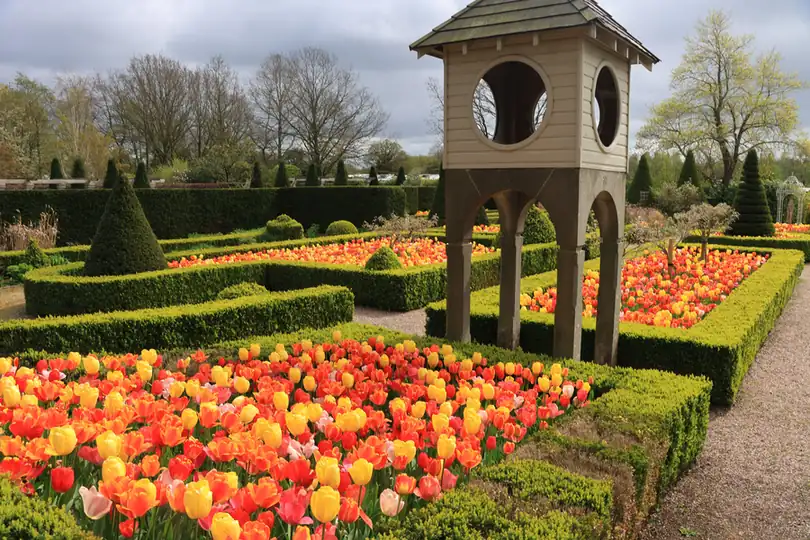
You will find figures online crediting a good garden with anything from 5% to 20% of house value. Treat all of them as folklore with a grain of truth. No serious index tracks garden quality against sold prices, and the honest evidence is softer: estate agents consistently report that presentable, usable outdoor space sells family houses faster and defends the asking price harder, especially at the upper end of the market.
Speed and confidence are where the money really is. A house that photographs well from the garden side, in a market where every buyer scrolls before they visit, gets more viewings; more viewings mean fewer price reductions. In a city where a modest percentage of a family house is a serious sum, “defends the asking price” is not a consolation prize.
Why the effect is stronger in St Albans than most places

Two local facts sharpen the garden’s contribution here. First, the buyer profile: St Albans sells overwhelmingly to families trading London flats for space, on a twenty-minute fast train to St Pancras. What they are buying is precisely the thing their flat lacked - and a garden that looks like more rooms rather than more maintenance lands directly on the reason they moved.
Second, the housing stock. The Victorian terraces near the station hide long, narrow gardens that are either a selling point or a liability depending entirely on how they are organised; the 1930s plots of Marshalswick and Chiswell Green carry forty metres of space that most listings show as a photograph of empty lawn. In both cases the land is already paid for - it is sitting inside the price of the house. Design is what converts it from area into amenity.
The projects that genuinely move value
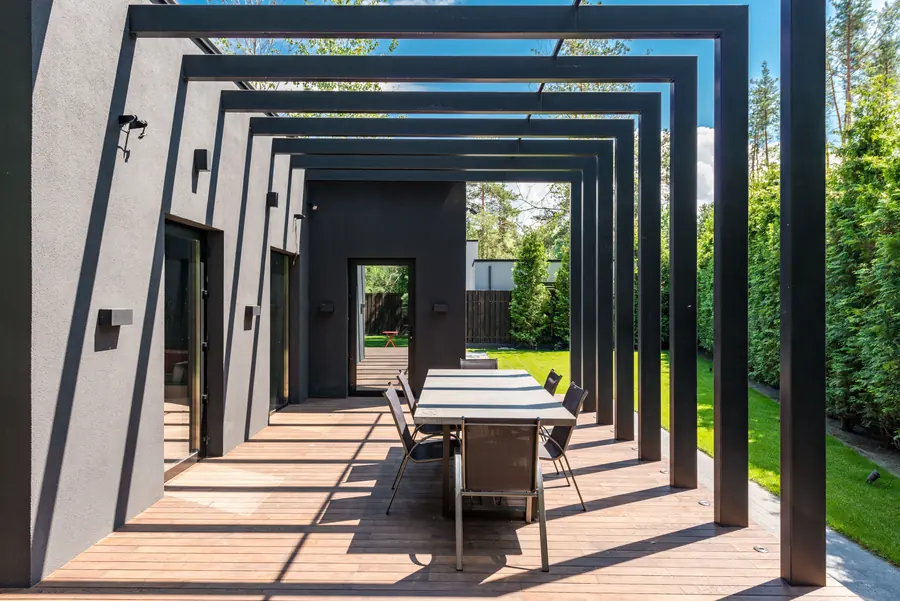
A consistent shortlist emerges from talking to the agents who sell these houses. Structure sells: a proper terrace scaled to the house, level lawn, resolved boundaries and a garden that visibly drains. Connection sells: the kitchen opening to somewhere you would actually eat, which is why outdoor living projects - a dining terrace, shelter, lighting - punch above their cost. Low maintenance sells to almost everyone, because buyers price in their own weekends.
Order matters too. Fixing levels, drainage and access before decorative spending is not just good building practice - it is good economics, because buyers and surveyors both notice the failures faster than the flourishes. A beautiful pergola over a waterlogged lawn is a warning sign wearing a nice outfit.
The projects that never pay back, and why we build them anyway
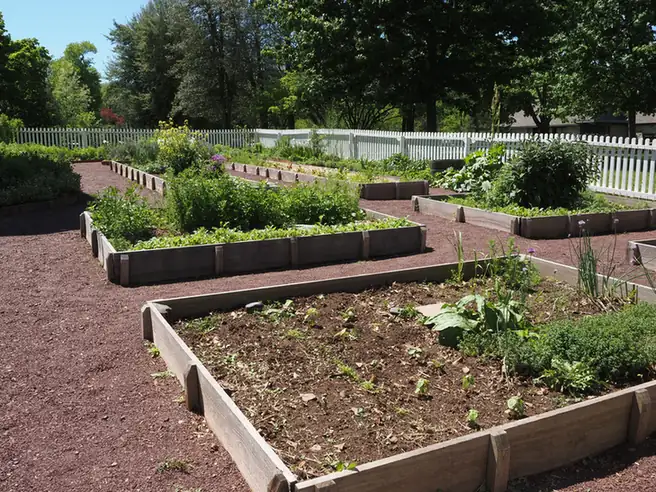
Be equally clear-eyed about the other list. Swimming pools are the classic - expensive to build, expensive to run, and actively off-putting to a chunk of family buyers. Highly personal schemes - the koi collection, the show-standard kitchen garden, anything requiring a hobbyist to maintain it - return their value only to you.
And that is fine. A garden is not an investment vehicle; it is where a chunk of your life happens. The right framing is not “will the kitchen garden add value” but “do we want it enough to spend value on it”. Most of our clients fund a garden for the fifteen years they will live with it, and treat whatever it returns at sale as a bonus. The point of understanding the value question is to spend deliberately - not to let resale anxiety design your garden for you.
Kerb appeal: the front garden bargain

Front gardens are the cheapest value move on the whole list, and the most neglected. Buyers form their view of a house in the first seconds from the pavement, and a front garden with structured planting, a specimen tree and a decent path shifts that first impression for a fraction of what anything indoors costs.
One warning for anyone considering paving the lot for parking: since 2008, more than five square metres of impermeable front-garden paving needs planning permission - permeable construction avoids the application, as the Planning Portal’s front garden guidance sets out. A designed front garden that parks a car and still reads as a garden is entirely achievable, and it beats a plain concrete apron on both value and neighbourliness.
Planting maturity: buying time, the one thing money can rush

Here is the quiet trick of garden economics: gardens appreciate. A £45,000 kitchen starts depreciating the day it is fitted; a £45,000 garden with sound structure gets better for a decade as the planting matures. If you are planning to sell within a couple of years, that timeline matters - young planting reads as a building site to buyers who cannot imagine year five.
The lever is planting maturity. Semi-mature trees and specimen shrubs cost several times their younger selves, but they hand a new garden instant credibility - and for a pre-sale project they are often the single best-spent money in the scheme. For owners staying put, the patient version costs far less and arrives at the same place. This is exactly the kind of trade-off a proper plan makes visible; our guide to how to choose a garden designer in St Albans covers how to find someone who will show you the options rather than a single number.
Spending well: the practical rules
Distilled to rules of thumb for this market: keep total garden spend in sensible proportion to house value, and spend it bones-first - levels, drainage, terrace, boundaries - because structure is what survives surveys and second viewings. Prioritise the connection between kitchen and garden. Design for the maintenance appetite of a plausible buyer, not just your own. Keep the drawings and photographs of what is underground; they answer surveyor questions later. And if a project is purely for love, know that and do it anyway - deliberately.
Value, in the end, is the by-product of the same qualities that make a garden good to live with: structure, drainage, usability, and planting that fits the ground it grows in. Design for the life and the value tends to follow.
Common questions
We are selling next spring - is it worth doing anything to the garden now?
Yes, but scale it to the timeline. Autumn structure-tidying, lawn repair, mulched and edged borders and a handful of semi-mature plants transform photographs for a few thousand pounds. A full redesign months before a sale rarely recovers its cost - that project belongs to the next owner, or to you five years earlier.
Does a garden office add value in St Albans?
Generally yes, given the commuter profile - a properly built, insulated and powered garden room answers a question most buyers here are actively asking. The caveats: build quality has to be obvious, it must not swallow the usable garden, and it needs to sit within permitted development limits so a buyer’s solicitor finds nothing to query.
Is decking or paving better for resale?
Around here, paving - real stone or good porcelain - outsells timber decking, which many buyers read as maintenance and slipperiness. Where a deck is the right design answer, composite boards on a properly ventilated frame counter most of the objection. Raised decks have a planning wrinkle: anything over 30cm off the ground needs permission.