Skip to content
info@gardendesignstalbans.co.uk

Planting Design In Rickmansworth

Do your Rickmansworth borders drown in winter and fry in August?

Planting schemes for river gravels, damp low ground and covenanted front gardens


Planting design in Rickmansworth has to handle a soil that changes its mind twice a year. The valley gravels hold water close to the surface through winter, then drain so freely in summer that a border can be dust by late July. Plants that like one end of that swing usually hate the other. So our plans start by mapping where your garden is wettest and driest, then match species to each zone, from moisture-lovers at the low end to drought-tough perennials on the free-draining ground.

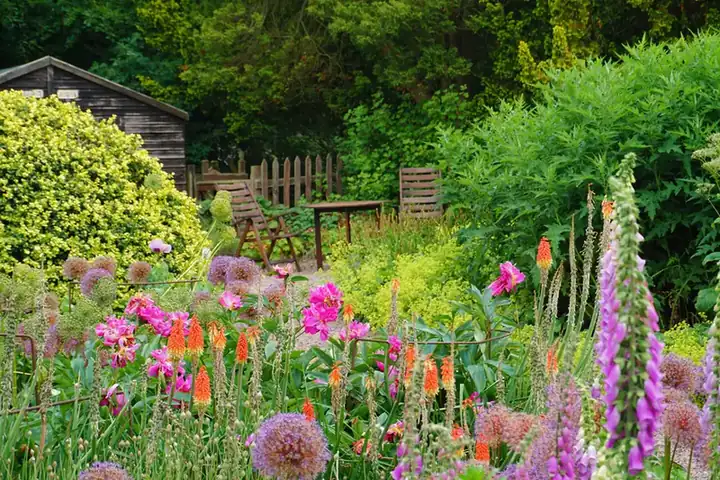
Densely planted mixed border with alliums, foxgloves and kniphofia, designed for successional colour

Ask About A Rickmansworth Planting Plan

A few details about the garden is all we need - we will be in touch to arrange a time to come and see it. No charge for the visit and no hard sell afterwards.

The Business Behind It

Planting Supplies For Rickmansworth Gardens


Suppliers kept on good terms.

Winter-wet ground near the Colne and the Chess narrows the choice of plants, so supply matters. Mark spends time keeping his suppliers on side, and those good relationships help with both rates and delivery times.

Planting is organised like the rest of the project, written down and planned the evening before. Albert is the person to ring at the office with any questions along the way.

Rickmansworth

Why A Proper Plan Pays Off On Rickmansworth Gravel


Plants chosen for both extremes

We pick species that can sit in cold, wet ground for weeks and still cope with a dry spell, rather than ones that only like one season. On these gravels that single filter removes most of the usual losses.

A wet corner that looks deliberate

Most valley gardens have a low patch where water lingers. Instead of draining it at great cost, we often plant it with moisture-lovers such as flag iris, ligularia and astilbe, so the boggy end becomes a feature.

Less watering once established

Gravel soils drain fast, so the plan favours deep-rooted perennials and grasses that find water lower down. After a first summer of care, most of the garden should manage without a hose.

Depth for Metroland perimeter beds

Many Cedars Estate gardens still have the original narrow bed hugging the fence. Widening it, layering shrubs behind perennials and adding a few trees gives a long lawn the depth it never had.

Front gardens that suit Moor Park

Front planting on the Moor Park estate sits within the covenant terms on frontages. We design hedges and front borders that look settled and generous while staying inside what the estate expects.

Soil improved where it counts

Free-draining gravel holds few nutrients. We add organic matter in the beds that need it, leave the lean ground lean for plants that prefer it, and say exactly which areas get which treatment.

Every Garden Starts On Paper
Design First Every Garden Starts On Paper
Initial Garden Consultations
Free Initial Garden Consultations
Design Through To Planting
One Studio Design Through To Planting
Itemised Costs Before Work
Written Itemised Costs Before Work

Before You Choose

Finding A Planting Designer For Your Rickmansworth Garden


Ask how they'll find out where your garden stays wet. A designer who has worked the Rickmansworth valley will want to see the plot after rain, or dig a hole in the low corner, before naming plants. Without that, you risk a border full of Mediterranean herbs sitting in water from December to March, which is how a lot of expensive plants get lost here. Rosemary and lavender look fine at planting in May. By the following February, after weeks with their roots in cold water, many of them have simply rotted where they stood.

Ask what the scheme does in August. Gravel that was saturated in spring dries out fast, and a plan that ignores the summer will need watering every evening. Good answers mention deep-rooted perennials, grasses, mulching and the odd drip line where it truly earns its keep, not a promise that "it'll be fine". Ask which plants on the list would need watering in a dry year, and how often. A straight answer tells you a lot.

Ask to see a plan with quantities and spacings on it. Metroland gardens are wide, and filling long beds properly takes more plants than people expect. A plan that counts them lets you see what the budget buys, and lets anyone plant it out correctly, whether that's us or your own gardener. It also stops the classic Metroland mistake of buying one of everything, then wondering why a wide bed still looks thin.

Compared

Planting For Swing Soils, Compared


Here is how a zoned plan stacks up against the two usual alternatives on a Rickmansworth plot that floods in winter and dries out in summer.

Planting For Swing Soils, Compared
  Zoned plan for wet and dry groundGarden-centre bordersLawn with a fence-line bed
Winter waterlogging Low areas planted with moisture-tolerant speciesRoots rot in the wettest patchesLawn moss and rutting by March
Summer drought Deep-rooted perennials and grasses hold onDaily watering or wilting by JulyLawn browns, narrow bed struggles
Plant losses Few, as species suit each zoneSteady replacements each springLow, but very little planted
Sense of depth Layered beds with trees and shrubsColour, but rarely structureLong, flat and open to the fence
Front garden on Moor Park Planned within the estate's frontage termsVaries plant by plantUnchanged, often a bare hedge line
Upkeep Agreed hours per month in the planConstant replacing and stakingMostly mowing

Our Process

Planning Borders In Rickmansworth, Step By Step


Our planting work runs through the same stages as a full garden, with extra time at the survey spent finding out how wet and how dry your particular plot gets.

  1. Garden consultation and site survey

    We walk the garden with you and listen more than we talk. Then the measuring starts: levels, orientation, drainage behaviour, existing trees worth keeping, and test pits to find out what soil you genuinely have rather than what the area is assumed to have.

  2. Concept design

    A scaled masterplan showing the whole garden - spaces, routes, levels, structures and planting zones - with mood imagery for materials and atmosphere. This is where you react, argue and change things. Far cheaper to move a terrace on paper than in stone.

  3. Detailed design and planting plan

    The agreed concept is developed into construction drawings and a species-by-species planting plan: setting-out dimensions, wall and step details, levels, lighting positions, and every plant named with its quantity and pot size.

  4. Itemised written costs

    Because the design is fully drawn, the build can be priced properly - each element itemised, so if the figure needs trimming you choose what changes rather than watching quality quietly disappear from everything.

  5. Landscaping and construction

    Groundworks, drainage, terracing, walls, steps and structures, built off the drawings by our own landscaping team. Setting-out is checked against the plan, and sub-bases and falls are treated as the point of the job, not the boring bit before the paving.

  6. Soil preparation and planting

    Beds are decompacted and improved before a single plant goes in - on this area's clay-with-flints and chalk that preparation decides whether a border establishes or sulks. Then the planting plan is set out on the ground, adjusted by eye, and planted.

  7. Handover and first-season aftercare

    We walk the finished garden with you, hand over the plans, plant list and care calendar, and come back during the first season - because a designed garden is at its most vulnerable in its first year, not its first week.

Detail

From Squelch To Drought: Zoning A Rickmansworth Border


What happens if you plant one palette across a whole valley garden? The low end drowns and the high end wilts, usually in the same year. We break the garden into zones instead. The lowest ground, often near a back boundary toward the river, gets moisture-lovers: astilbe, ligularia, flag iris, the damp-tolerant dogwoods. The middle ground suits tough perennials such as geranium, persicaria and echinacea. The highest, sharpest-draining ground takes grasses, salvias and other plants that are happy on lean gravel.

Zoning sometimes means adjusting the ground itself, raising a bed a little or easing a slope so water collects where we want it. That's where planting overlaps with construction, and our garden landscaping service in Rickmansworth covers the levels, drains and raised beds in detail. For a planting-only commission we keep the earthworks light, using soil from one area to lift another, so the budget goes into plants.

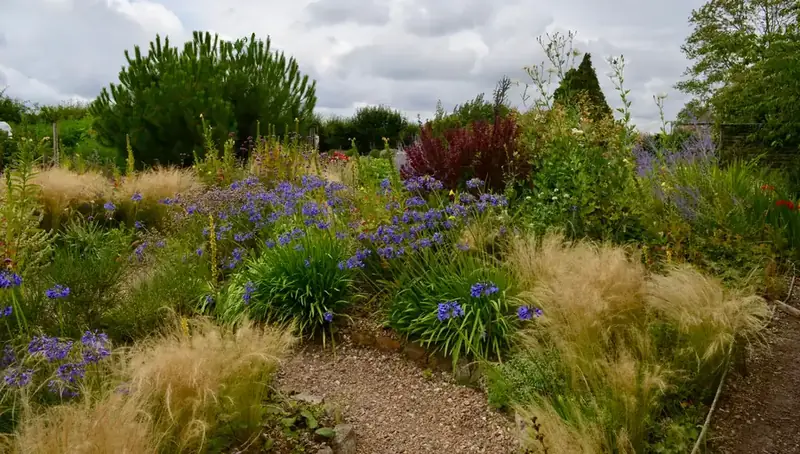
Naturalistic gravel garden planted with ornamental grasses, agapanthus and drought-tolerant perennials

Reassurance

Plants Backed Through Their First Year


The construction underneath it all
Terraces, walls and steps fail from below, not above - a thin sub-base, no drainage behind a retaining wall, mortar where there should be movement. We build those hidden layers as if they were the visible ones, because in three winters' time they might as well be.
Plants replaced if establishment fails
Planting is living stock and a small percentage of losses in year one is horticultural reality. Where a plant we supplied and planted fails despite reasonable care, we replace it - and the aftercare visits exist partly to catch problems while they are still small.
Built to the drawings, checked against them
The detailed design is not a sales document, it is the build contract. Setting-out, levels and materials are checked against the drawings as the work proceeds, and you can hold the finished garden up to the plan line by line.
Still answering the phone afterwards
A garden is not finished at handover - it establishes over seasons. When a question comes up in year two, you will reach the people who designed and built it, not a voicemail that never calls back.
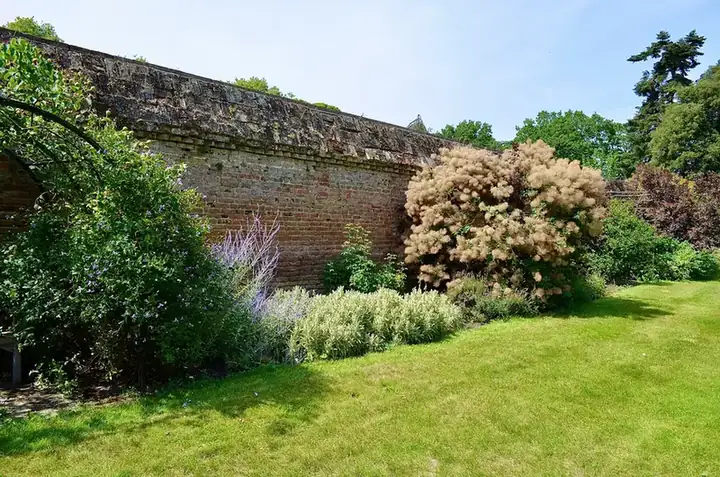
Deep shrub and perennial border running along an old brick garden wall

Budget

Planting Design Costs In Rickmansworth


£4,000 – £20,000

A planting plan for one or two borders sits near the bottom of the range. A whole wide Metroland garden with new trees, hedging and a wet-ground area runs higher. We count plants on the plan before quoting, so the figure reflects your garden's size and soil, not a rate per square metre guessed from the road.

Wet and dry ground in one plot

Gardens near Batchworth or the Aquadrome often need two or three palettes in one scheme. More plant variety and some bed preparation in the low areas add to the cost.

Wide Metroland beds

Cedars Estate gardens have long boundaries. Turning a thin fence-line bed into proper layered borders needs many more plants, including some larger shrubs for instant height.

Frontage hedging

Moor Park front gardens often call for established hedging that suits the estate's character from day one. Larger root-balled plants cost more than whips but avoid years of gaps.

The Area

Planting Ideas From Rickmansworth's Waterside


If you want to see which plants thrive on Rickmansworth ground, the town's lakes, lock and river path are the best free reference we know.

Rickmansworth Aquadrome

Lakes and lakeside woodland on old gravel workings. Walk the water's edge and notice what has seeded itself where roots sit wet half the year - a free lesson for a damp low corner at home.

Learn more about Rickmansworth Aquadrome

Batchworth Lock

Where the canal meets the Chess. Look at the wet margins and the drier towpath a step above them: two soils a stride apart, much like the high and low ends of a valley garden.

Learn more about Batchworth Lock

Chess Valley Walk

A chalk stream and its watercress beds, followed for ten miles. Walk a stretch in late summer and compare the lush banks with the drier ground further up the valley sides.

Learn more about Chess Valley Walk

Where Rickmansworth Sits On The Rivers


Questions

Rickmansworth Planting Questions


What plants cope with both wet winters and dry summers in Rickmansworth?
More than you might think. Persicaria, hardy geraniums, sanguisorba, Siberian iris, some grasses such as molinia, and shrubs like cornus and viburnum all tolerate a wet winter and a dry summer once they're settled. Plants that need sharp drainage all year, like lavender and many silver-leaved herbs, go on raised or higher ground. We confirm the right mix for your garden after looking at the soil.
Our soil is gravelly. Do we need to change it before planting?
Not wholesale. Gravel drains fast and is low in nutrients, so we add organic matter to beds where we want lush planting and leave other areas lean for plants that prefer it. Low, wet patches are planted for moisture rather than drained away. Around Batchworth and the river edges this approach saves money and gives you a wider palette than changing everything would.
Do we need permission from the council to replant our garden?
Planting itself never needs planning permission. Trees are the exception worth knowing: in the old town conservation area around Church Street, pruning or felling a tree needs six weeks' written notice, and protected trees need consent. Evergreen hedges over 2m can also attract a high-hedge complaint. All of this is handled by Three Rivers District Council.
Can you design front-garden planting for a house on the Moor Park estate?
Yes. The estate's covenants cover frontages, so we check what applies to your property before drawing anything. Most of the time that means a well-kept hedge or boundary planting and borders that suit the estate's open, green character. We'll prepare a planting plan you can share with the residents' company if it needs to see one, and plant it once everyone is happy.
How do you give a long Metroland lawn more interest?
Usually by widening the beds and layering them. A single row of shrubs along the fence becomes a border two or three metres deep, with small trees at the back, shrubs in the middle and perennials and bulbs at the front. A few plants are repeated down the garden to pull it together. The lawn gets smaller but the garden feels larger, because there's more to look at.
When should we plant on wet valley ground?
Autumn is best for most of the garden, as long as the soil isn't already waterlogged. On the wettest plots we sometimes plant the high, dry areas in autumn and wait until spring for the low ground, once it has drained a little. That keeps roots from sitting in cold water before they have had a chance to grow.

Feedback

What Clients Say


Rated 5 out of 5

“We had lived with a sloping, unusable lawn in Batchwood for eleven years and assumed it was just what the garden was. The masterplan split it into three levels with a long bench built into the top retaining wall, and we now eat outside from April to October. The bit that impressed me most was the drainage they insisted on putting behind the walls - invisible, and clearly the reason nothing has moved.”

Caroline W.

St Albans · Full garden redesign, sloping plot

Rated 5 out of 5

“The house was rebuilt two years ago and the garden never caught up - a builder's lawn and a patio that faced the wrong way. They redesigned the whole plot around the new kitchen's sightlines and put in planting with real maturity. Neighbours assume the garden came with the rebuild, which I think is the point.”

Daniel R.

Radlett · Garden redesign after house rebuild

Rated 5 out of 5

“What we wanted was borders like the ones you see at proper gardens, and what we had was clay you could throw pots with. The planting plan came with every species named and a paragraph on why it would cope with our soil. Two summers in, the border is better than the photographs they showed us at concept stage.”

Priti & James K.

Harpenden · Planting design and borders

Rated 5 out of 5

“An outdoor kitchen was my husband's idea and I was sceptical it would ever be used. Because the gas, power and lighting all went in before the paving, it looks built-in rather than bolted on, and we cooked outside more or less every weekend last summer. The festoon lighting on the pergola was their suggestion and it makes the whole thing at night.”

Sophie T.

Berkhamsted · Outdoor kitchen and pergola

Rated 5 out of 5

“A proper process from start to finish. Survey with test pits, a concept we pushed back on twice without any sulking, then a build crew who turned up when they said and swept the drive every evening. The care calendar they left us is pinned inside the shed door and actually gets used.”

Michael B.

Chorleywood · Design and build, rear garden

Coverage

Areas We Cover


We plan and plant borders across the whole of our patch, so Rickmansworth sits alongside Chorleywood, Watford, Radlett, Hemel Hempstead and the other towns we cover from St Albans.

Or jump straight to a service

Plant For The Garden You Actually Have


We'll visit, look at where your garden holds water and where it dries out, and suggest a plan that suits both.